Co-Parenting Across the Sprawl: When a Custody Exchange Means an Hour Each Way
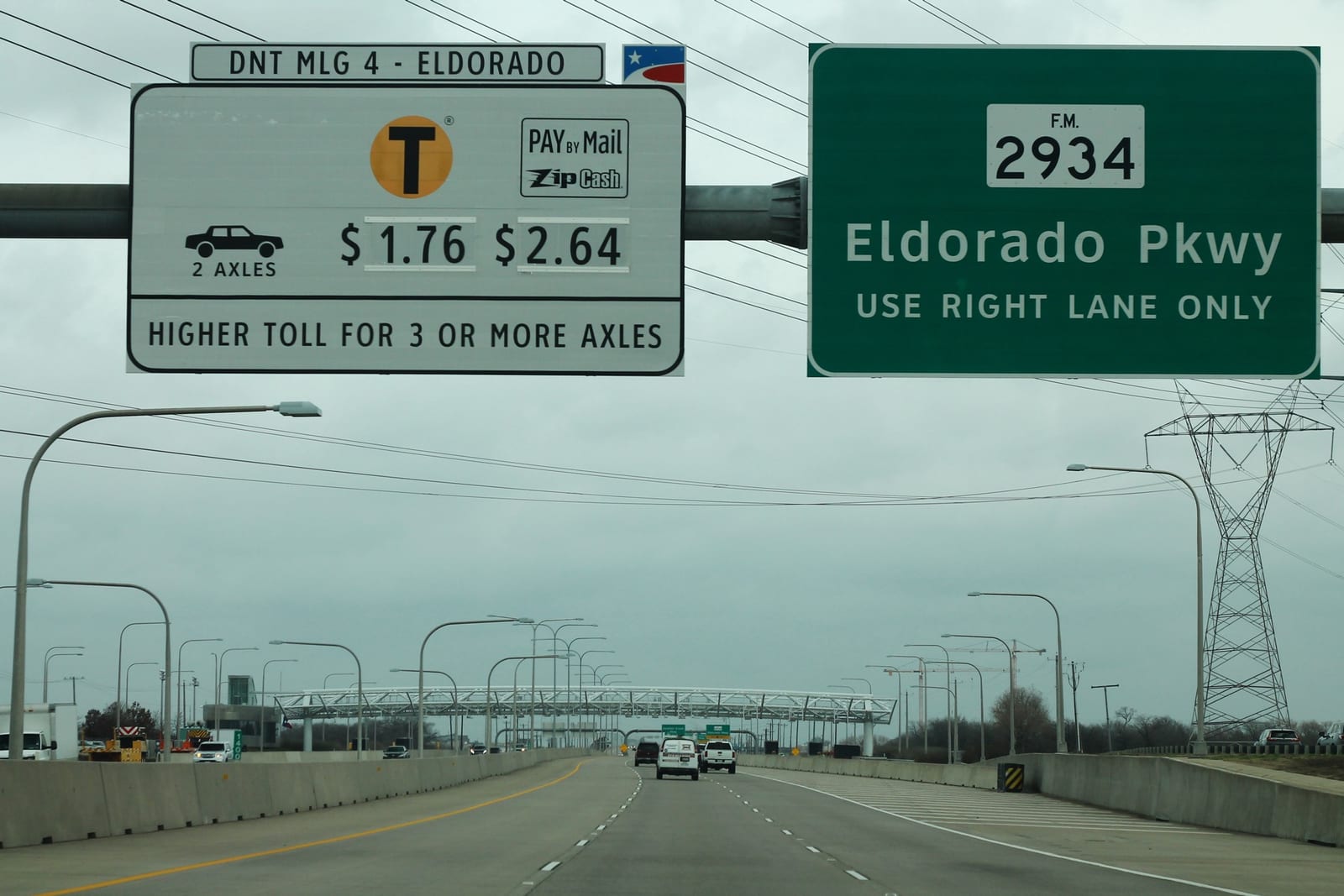
A divorce settlement can specify a custody schedule down to the hour, and still say nothing about the part that ends up shaping day-to-day life the most: where each parent actually lives, and how far apart that turns out to be. In a dense city, ex-partners often stay within a few miles of each other after separating, close enough that exchanges are simple. DFW rarely works that way. One parent stays in Frisco or McKinney, the other resettles in Fort Worth or south toward Mansfield, and what looked like a reasonable custody arrangement on paper turns into an hour-plus drive each way, every exchange, for years.
How do you co-parent across different parts of DFW?
To co-parent across different parts of DFW, treat distance as a permanent planning constraint, not a one-time inconvenience. Choose neutral exchange points, build rush-hour buffers into the schedule, discuss school-district changes before a move, and keep logistics separate from older conflict whenever possible.
Why the geography makes this harder here specifically
The Metroplex doesn't have a single center, which means "closer to work" or "closer to family" can pull two newly separated parents in completely different directions without either one intending to make co-parenting harder. A parent who takes a new job in Las Colinas, or moves in with family in Arlington, or simply finds housing they can afford in a suburb an hour from their ex, isn't usually trying to complicate custody. But the effect is the same either way: a drive that used to take fifteen minutes when the family lived under one roof now eats most of an evening, twice a week, indefinitely.
Traffic patterns make it worse in a specific, DFW way. An exchange scheduled for 6 p.m. on a weekday can mean sitting through rush hour on the Dallas North Tollway or I-35, turning what should be a straightforward handoff into an hour of stop-and-go with a tired kid in the back seat, arriving frazzled at whichever house is on the receiving end.
The fight that isn't really about the drive
Arguments about custody logistics rarely stay about logistics for long. A late exchange, a canceled weekend because of traffic, a request to move the pickup time by thirty minutes, these things get read through the lens of the divorce itself, as evidence that the other parent doesn't respect your time, or doesn't prioritize the kid the way they claim to. The actual cause is often just geography and a bad merge on the highway, but it rarely gets received that way in the moment, especially early in a separation when trust between co-parents is still thin.
School zoning adds another layer. A parent who relocates, even for good reasons, may land outside their kid's current school's attendance boundary, which can turn a housing decision into a fight over where the kid actually goes to school, on top of the custody schedule itself. That's a related but separate headache from ending up zoned into two different districts entirely, which raises its own set of questions about enrollment and transfer policy. Co-parents navigating this well tend to treat it as a real, foreseeable planning problem rather than something to work out for the first time after a move is already underway.

What tends to help
Picking a genuine halfway point for exchanges, and sticking with it. A park, a library, a commuter rail station roughly between both households turns a full round trip into a shared half, and removes the daily reminder of driving deep into an ex's neighborhood that some co-parents find hard to shake.
Building traffic buffer into the schedule itself, not assuming best-case drive times. A custody agreement or informal understanding that accounts for rush hour, rather than assuming a drive always takes as long as it does at 10 a.m. on a Sunday, prevents much of the "you're always late" resentment that builds from unrealistic scheduling in the first place.
Talking about future moves before they happen, when possible. A parent considering a move that would meaningfully change the drive time, or shift which school district the kid falls into, tends to get a much calmer response by raising it early than by presenting it as already decided.
Using the drive time itself as a transition, not dead time. Some co-parents build in a short call or a specific ritual, a favorite song, a rundown of the week, during the drive, so the trip does something useful for the kid instead of just being time spent getting from one house to the other.
Keeping the actual disagreement separate from the logistics disagreement. A late pickup and a deeper conflict about the divorce are two different problems that often get tangled into one heated exchange at a car door. Co-parents who can name which one they're actually upset about tend to resolve the practical issue faster, without it reopening older wounds every time.
The part that doesn't fully go away
Distance between two households rarely gets easier the way some parts of a divorce do with time. A job change, a remarriage, a new lease can shift the geography again with little warning. Co-parents who hold up well over the years aren't usually the ones who found a permanent fix to the drive. They're the ones who treated the logistics as their own ongoing project, separate from whatever else is unresolved between them, and kept adjusting the plan as the sprawl kept doing what it does. And once one parent starts dating again, the new person walks into this geography too, which is a separate strain worth naming before a first weekend together gets planned around an exchange.
More on Transitions
Co-Parenting Between Different DFW School Districts
When one parent is in Frisco ISD and the other is across the Metroplex, school stops being a background detail. It becomes the structure every custody exchange, morning routine, and future move has to answer to.
When a DFW Friendship Fades After Marriage, Kids, or a Move
DFW friendships often don't end in a fight. They stall in the calendar: Prosper is 35 minutes, bedtime moved up, and custody weekends no longer match.
The Month After Moving to DFW, Once the Boxes Are Gone
The lease and the commute can be handled while the relationship still hasn't landed. For many couples, the harder month in DFW is the one after the boxes are gone.