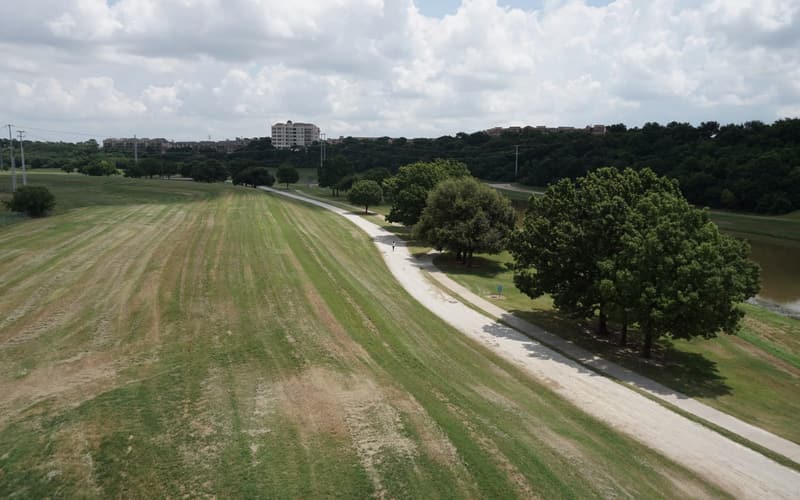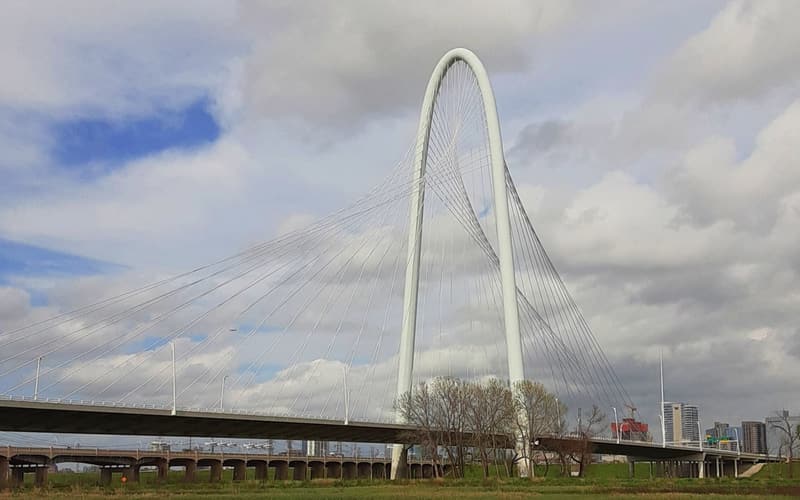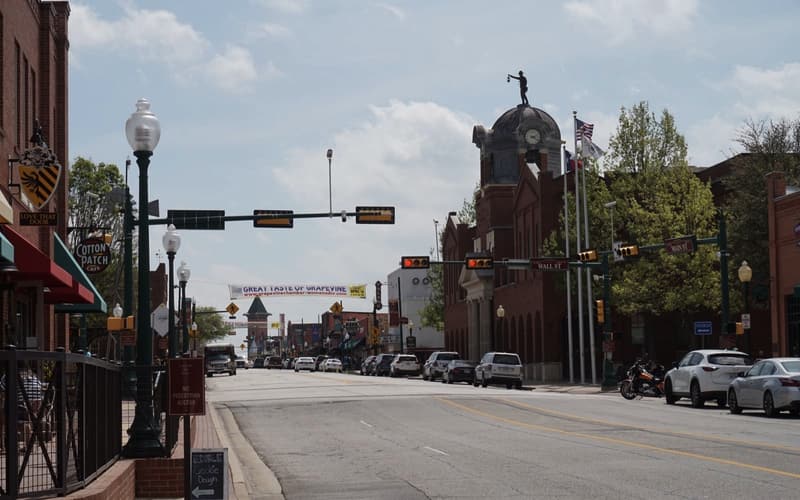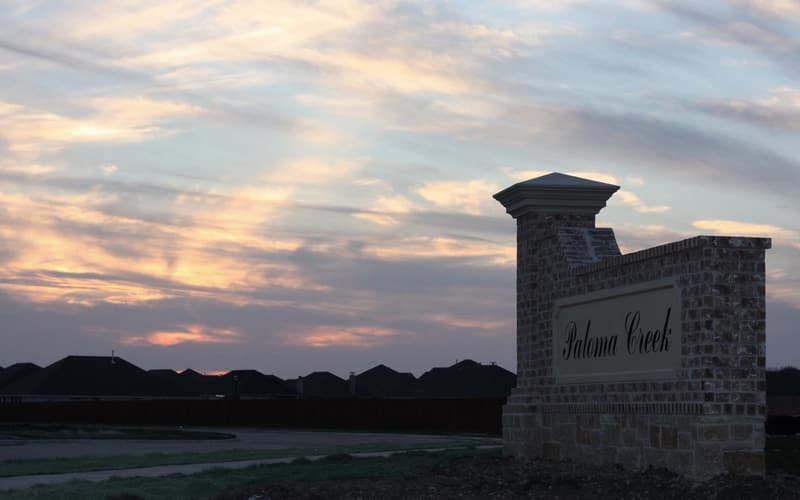
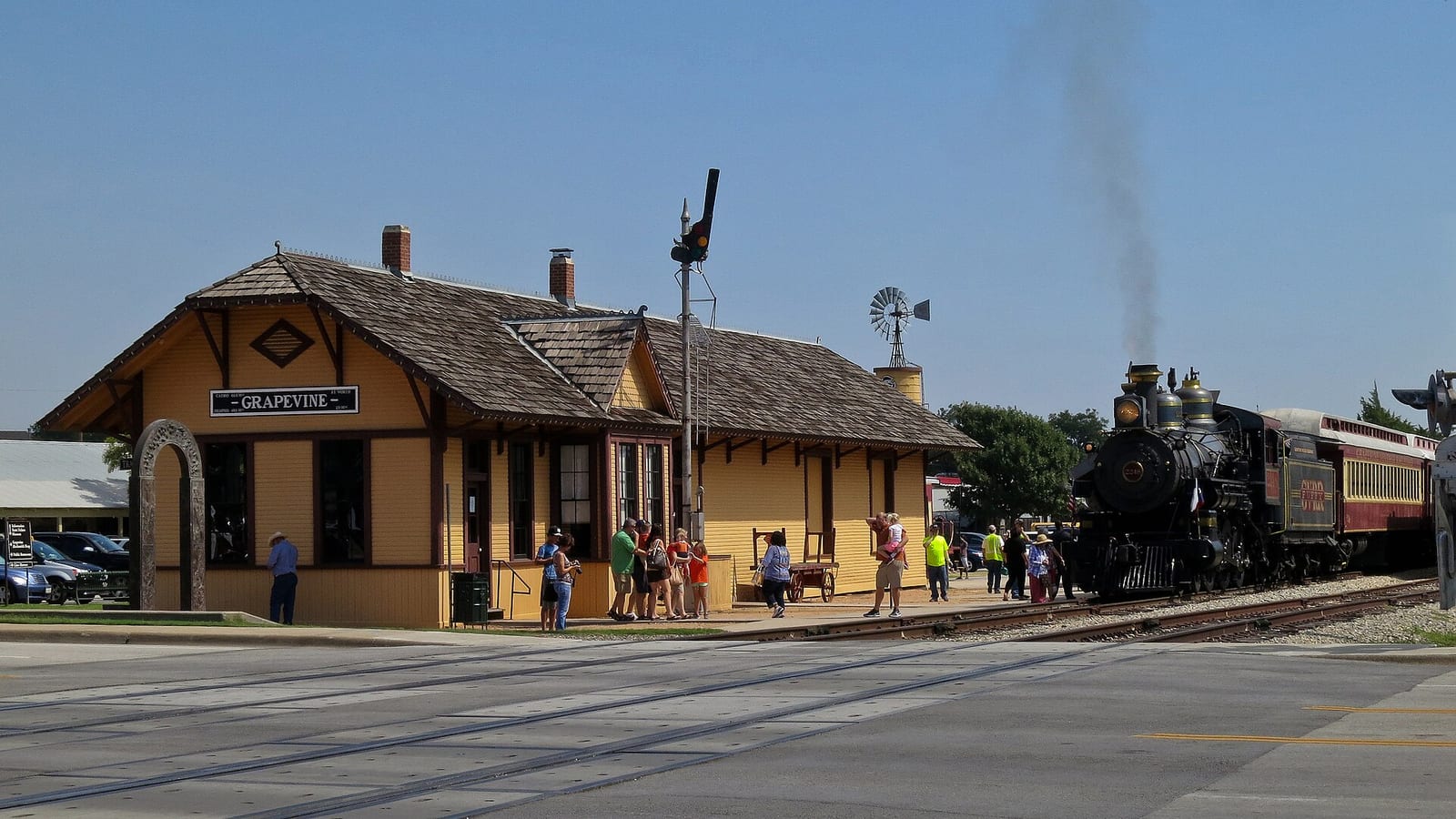
Date Ideas Around Southlake and Grapevine for Couples Who Want a Quieter Night
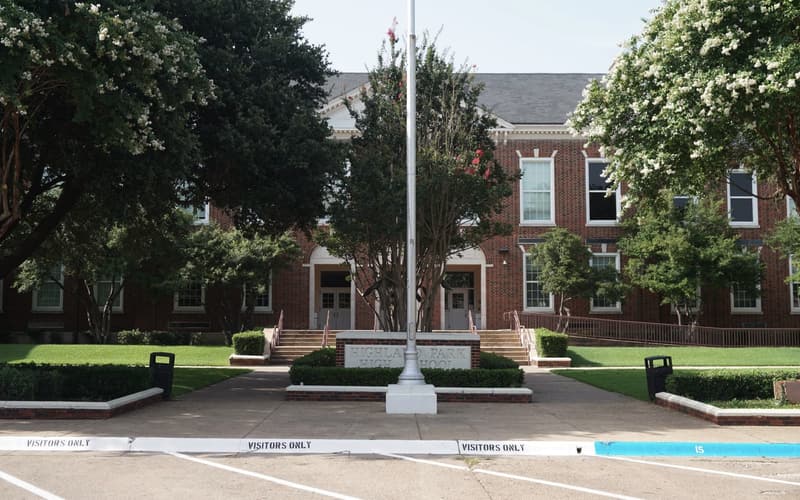
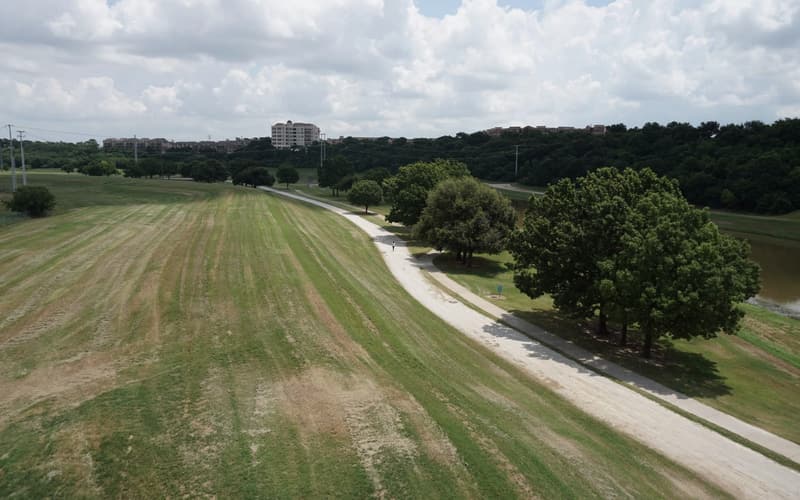
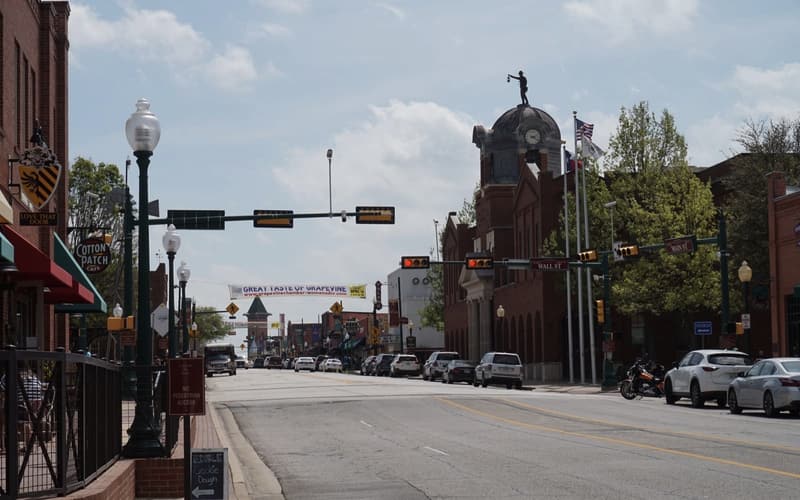
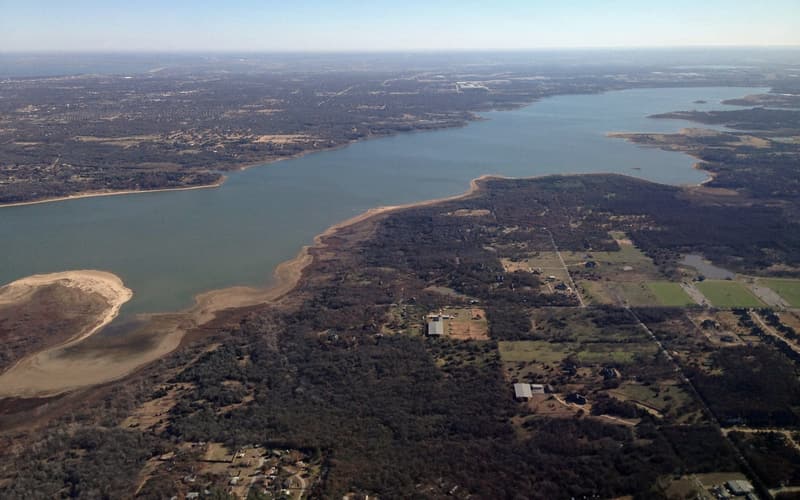
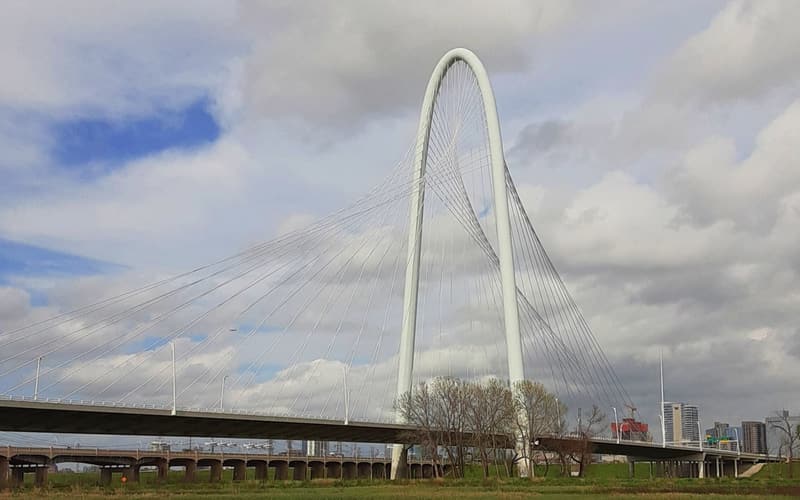
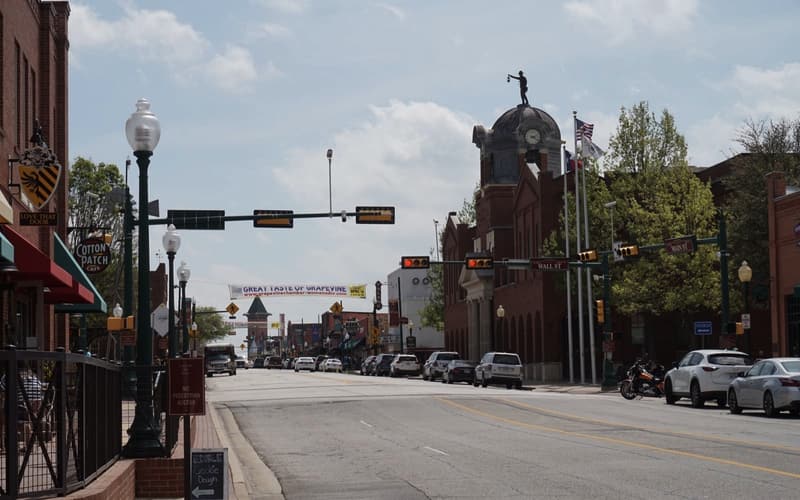
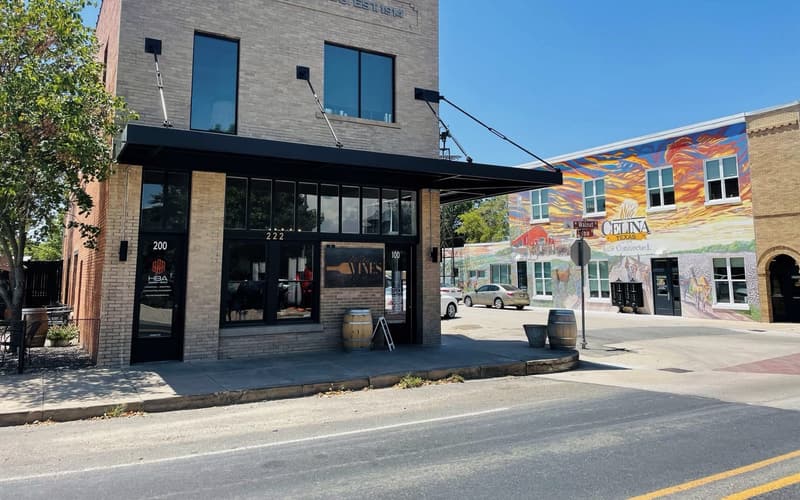
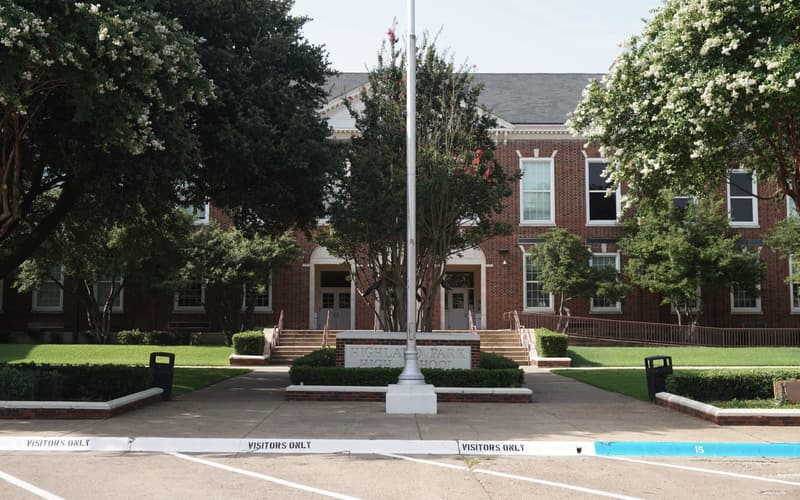
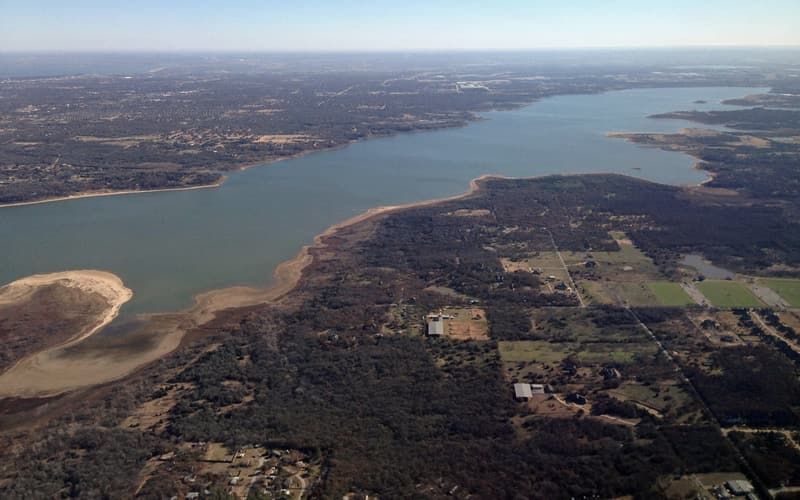
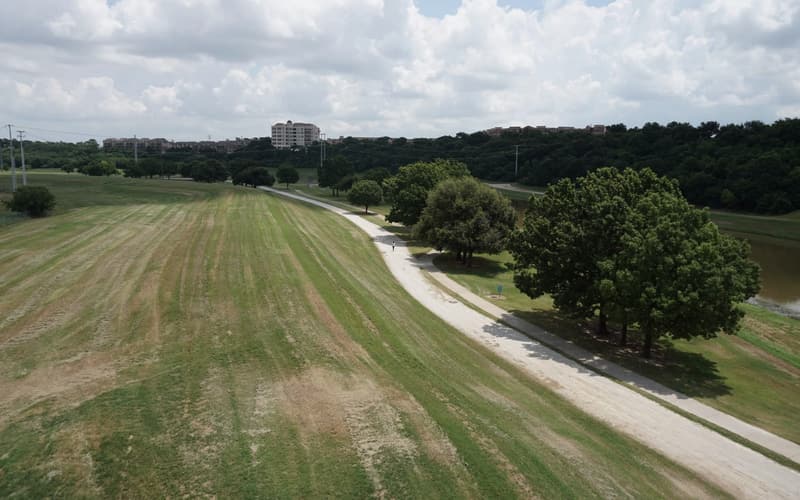
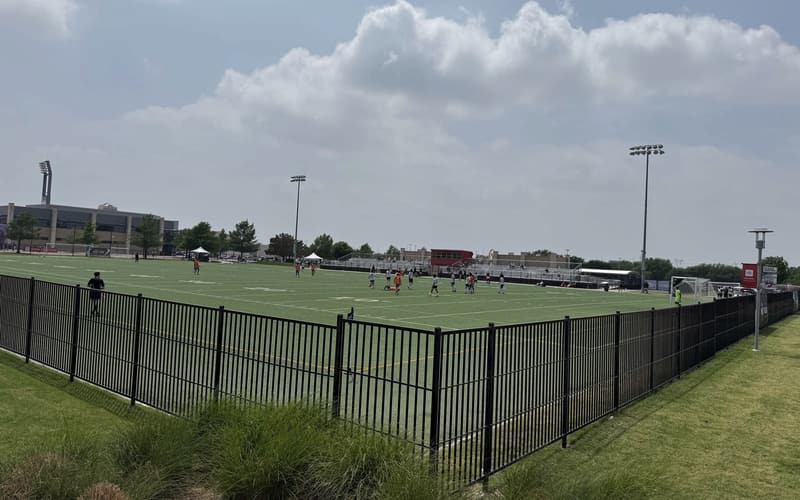
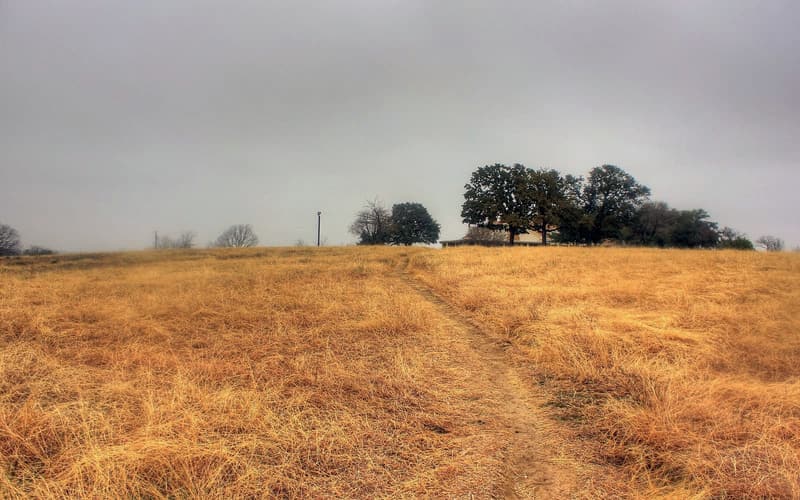
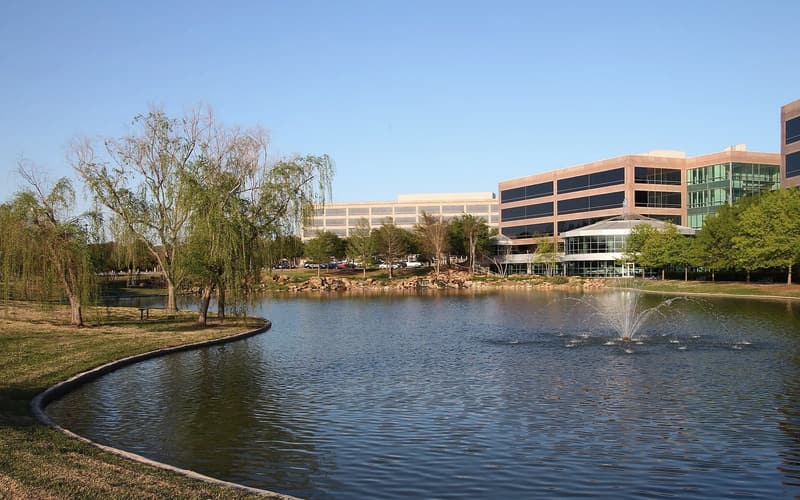
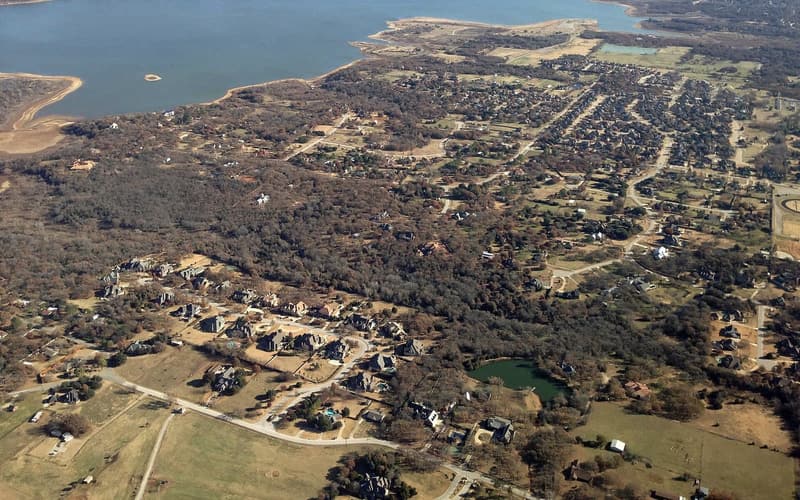
Quiet nights around Southlake and Grapevine are a timing choice. Weeknight Main Street, a weekday lake stop, the Cotton Belt, or Bob Jones beats Saturday at Town Square.

Dallas – Fort Worth
Honest, local writing on dating, marriage, parenting, and the transitions in between — plus guest essays from the attorneys, physicians, and specialists who work alongside DFW couples and families every day.

Quiet nights around Southlake and Grapevine are a timing choice. Weeknight Main Street, a weekday lake stop, the Cotton Belt, or Bob Jones beats Saturday at Town Square.
A new 16-year-old driver brings relief from school pickups, fear of North Texas highways, and marital friction over keys, tracking apps, and family rules.
Moving to North Texas for your partner's career often starts with shared excitement. By month six in a DFW suburb, the isolation and resume pause become hard to carry.
A lease deadline can rush a Dallas couple into sharing an apartment. Before signing, talk through the commute, monthly costs, daily habits, and what happens if you split.
A better job, a newer house, and a fuller calendar can leave North Dallas couples with little room for each other. Here's how to tell when the tradeoff needs to change.
Texas has no state income tax, but DFW couples still feel the bill. Property taxes turn homeownership, fairness, school districts, and lifestyle pressure into one annual marriage conversation.
When one parent is in Frisco ISD and the other is across the Metroplex, school stops being a background detail. It becomes the structure every custody exchange, morning routine, and future move has to answer to.
By July, a Dallas date night cannot pretend the heat is background noise. Indoor plans work best when they offer novelty, movement, and a way to reconnect without sweating through the first ten minutes.
Frisco and Plano can make date night too efficient: park, eat, leave. The better nights give couples a little movement, novelty, and room to talk before the week takes over again.
Most couples do not wake up one morning suddenly needing help. In Dallas families, the signs usually show up in the car, the calendar, the budget, and the quiet routines that stop feeling safe.
DFW friendships often don't end in a fight. They stall in the calendar: Prosper is 35 minutes, bedtime moved up, and custody weekends no longer match.
The school run still happens and the game in Frisco still happens. Kids often catch the short answers and the silent car before either parent is willing to call the house tense.
April and May evenings in North Texas still let you walk and talk outside. By mid-June that release is mostly gone, and August is a hard time to start the habit.
Some DFW marriages don't blow up. They disappear into pickups, toll statements, returns, and HOA email, until the only language left in the house is the to-do list.
The lease and the commute can be handled while the relationship still hasn't landed. For many couples, the harder month in DFW is the one after the boxes are gone.
White Rock engagement photos, Celina new builds, weeknight baby showers. Dallas makes other people's timelines easy to see, and dating starts to feel like a scoreboard.
The breakup talk is the part people brace for. In DFW, the first ordinary Tuesday often hurts more, because the shared life was also how you got across town.
Sunday night is the first shift of Monday in DFW homes. Bags, toll routes, and a changed pickup are already in motion while one partner still thinks the weekend is on.
After a tournament, a holiday, or visiting relatives, many DFW families expect relief and get a drop instead. The quiet day after is when the pace finally shows its cost.
DFW couples can run a normal week after a fight and still never repair it. School runs and trash night go fine. The argument just moves into two separate cars.
American Airlines, DFW Airport, Parkland, Baylor, Texas Health. North Texas runs on night shifts and rotating schedules, which means plenty of couples share a house and almost never share an evening. Here's what that does to a relationship, and what actually helps.
Plenty of DFW households were built on a corporate move someone only half-chose. Years later, once the house is bought and the kids are in a district, one partner wants out. That fight is different from the original relocation, and it tends to catch people off guard.
A sizable share of people dating in their 30s and 40s in Dallas–Fort Worth are dating someone who already has kids. The chemistry is rarely the hard part. The calendar is, especially in a metro where pickup, custody exchanges, and weekend tournaments already eat the drive time.
So much of DFW's growth has come from people who moved here alone or as a young couple, without extended family anywhere nearby. Here's what that does to the holiday season specifically, and how a lot of transplants end up building something real out of it instead of just getting through it.
DFW's population boom didn't just fill up school districts and toll roads, it filled up the calendars of every photographer, florist, and venue coordinator worth hiring. Here's what that scarcity actually does to a couple planning a wedding here, and how to plan around it instead of fighting it.
From a red moon bridge in a Fort Worth garden to a downtown Dallas park built over a freeway, DFW has real, specific places people propose. Here's what to know about each one before you pick it, including the parts nobody mentions until it's too late.
So many DFW households were built around parents visiting to help with grandkids. Fewer are built for what happens when that flips, and the same aging parent now needs care from an adult child who's still raising kids of their own here.
DFW Airport and Dallas Love Field serve two different halves of the Metroplex, and whether either one is a fifteen-minute drive or an hour away has a real, unglamorous effect on how sustainable a long-distance or travel-heavy relationship actually is.
DFW families often buy a house sized for the kid years: four or five bedrooms, a big yard, a top-rated school zone. When the last kid leaves for college, the two people left behind are living in a house built for five, and the size of the space makes the shift feel bigger here than it does somewhere smaller.
In Celina, Prosper, Melissa, and the other suburbs adding residents faster than they can add classrooms, daycare capacity lags population growth by years. Waitlists measured in months, not weeks, mean the search has to start well before the baby does.
DFW is full of transplant families whose parents live a flight away, not a drive away, which means visits come in long, concentrated blocks instead of easy weekend drop-ins. Whoever's parents visit more often usually ends up carrying the hosting load alone.
Texas marries young, and North Texas is no exception, so a single 32-year-old here is often the last one standing in their own friend group. That changes the actual mechanics of meeting someone, not just the mood around it.
One partner won't consider a house outside the highest-rated district. The other is doing the math on the commute and the price premium that rating adds. In DFW, that disagreement usually surfaces before the couple even has kids.
A match twelve miles away sounds close on paper. In DFW it can be a 45-minute drive each direction on I-30, and that gap ends up filtering who people bother dating at all before either person notices it's happening.
Every lake in the Metroplex is a man-made reservoir, not a natural body of water, and each one draws a different kind of couple or family. Here's which one fits which stage of a relationship, and why they aren't interchangeable.
For roughly four months a year, the outdoor walk that helps DFW couples cool down after a fight isn't a realistic option above 100 degrees. What a household swaps in instead says more than the argument itself.
The client dinner that ran until nine, the happy hour nobody technically has to attend. In a metro dense with relocated corporate campuses, the ambiguity of after-hours work events does more damage to couple time than the hours themselves.
A handful of North Texas suburbs grew so fast they never inherited an old downtown, so developers built one from scratch. That engineering choice shapes where couples and families end up spending their evenings on repeat, whether they notice it or not.
In a metro where almost nothing is a short walk away, ending a relationship can mean losing more than a partner. It can mean losing the car, the commute route, or the person who always handled getting you where you needed to go.
It's rarely about the money itself. In a metro built on toll roads, whether to take one becomes a small, repeated referendum on how each partner weighs time against money, and the monthly TollTag statement keeps score.
It's rarely the dishes, the calendar, or the money that keeps coming back around. Often the real repeat offender is a pattern: one partner pushing to resolve things right now, the other pulling back, and the pulling back making the pushing worse.
What decides whether a fight leaves a mark on a DFW relationship usually isn't the fight itself. It's what happens in the twenty or thirty minutes right after, and most couples never plan for that part on purpose.
DFW's growth runs on corporate relocation, which means plenty of families here are raising kids without grandparents in the same city. That's a narrower, more concrete problem than 'no community,' and it takes a different kind of relationship-building to close.
Group activities have become one of the more reliable ways people meet in DFW, but almost nothing explains what happens after: how a friendly regular at the same weekly meetup actually becomes a date, and what it costs if it doesn't work out.
Mountain cedar pollen peaks across North Texas roughly December through February, and it can sideline a partner for weeks at a time. The strain it puts on a household usually isn't the illness itself. It's what shifts around it, unnamed, while it lasts.
Sociologists call it a third place: somewhere that isn't home or work. DFW's driving-first sprawl makes them scarce, and couples who never build one end up asking the relationship to carry their entire social life by default.
Divorce is hard everywhere. In a region this spread out, co-parents often end up in different suburbs entirely, and the logistics of getting a kid between two households becomes its own recurring source of strain.

Club soccer, travel baseball, competitive cheer. North Texas takes youth sports seriously enough that a single season can consume every weekend a family has, and one parent usually ends up living at the fields.
Paint colors, trailer parking, holiday light deadlines, a fine letter over a basketball hoop. In the fast-growing suburbs ringing DFW, HOA governance has become one of the more specific, under-discussed sources of marital friction.
In a metro filling up with recent arrivals, most people on a first date have no mutual friends, no shared history, and no one to privately ask 'do you know this person.' That changes dating more than people expect.
Between spring tornado watches and the occasional multi-day ice storm, North Texas asks couples to make fast decisions under real pressure a few times a year. How a couple handles that says more than most ordinary weeks do.
Dallas–Fort Worth is built for driving, which makes dating here a lot harder without a car. Here's what actually holds up once you take that constraint seriously instead of pretending it away.
Dallas rewards composure, in the boardroom and increasingly at home. For plenty of high-achieving couples here, 'I'm fine' has become the default answer, even when it isn't true.
DFW's weather swings hard enough between seasons that the best way to meet people outside changes completely every few months. Here's what actually works, season by season, instead of a generic list that ignores the heat.

Divorce after decades of marriage is hard everywhere. In a metro where home values have climbed this fast, it comes with a specific set of financial and logistical complications that catch plenty of DFW couples over 50 off guard.
DFW has become one of the country's biggest destinations for corporate headquarters relocations, which means a specific, under-discussed kind of resentment keeps showing up in new-to-town couples: the one who didn't choose the move.
The Metroplex is stitched together out of dozens of independent school districts packed close together, which turns an ordinary custody schedule into a real logistics problem the moment two households land in different ones.
Corporate relocation brought your family to North Texas, and now the movers are gone and the loneliness sets in. Here's how long it actually tends to take to feel like you belong, and what speeds it up.
No state income tax sounds like a raise until the property tax bill and the insurance renewal show up. Here's the budget conversation plenty of couples who moved to DFW skip, and end up having as a fight instead.
One of you drives north to Frisco every morning. The other heads downtown or south to Fort Worth. DFW is full of marriages running on two commutes that never overlap, and it changes evenings more than couples expect.
Between a major airline hub and a corporate culture built on consultants, sales reps, and aircrew, dating someone who's gone three nights a week is a common enough DFW pattern. Here's what tends to make it work.
Spend enough time around young professionals in Dallas–Fort Worth and it starts to feel like everyone's engaged within a year. Here's what's actually driving that pace, and how to tell if it fits your relationship or just the calendar around you.
Most people freeze up when a close friend announces they're getting divorced. Here's what actually helps, and what (however well-intentioned) usually doesn't.
Between the sprawl, the apps, and a culture that runs hot on networking, dating in DFW has its own specific texture. Here's what it actually feels like on the ground.
The Metroplex is big enough that new parents can feel completely isolated in a city of eight million people. Here's where community actually tends to form.
It's not about who does the dishes. Mental load is the invisible work of noticing, planning, and remembering everything a household needs, and it's rarely divided as evenly as it looks.
Two demanding careers, a commute measured in zip codes, and a calendar that never empties out. Here's how DFW's dual-career couples protect time for each other anyway.
From free walks around White Rock Lake to a proper night out in Uptown, a running list of date night ideas across DFW, sorted by budget and mood.