The 20-Minute Rule: How DFW Couples Actually Repair After a Fight
Most fights between couples don't get resolved in the room where they start. They get resolved, or don't, in whatever comes right after: the drive home, the walk with the dog, the hour before either person can actually fall asleep. In DFW, that window usually shows up whether a couple plans for it or not, because getting almost anywhere here means time alone in a car first. What a couple does with those minutes decides more about how a fight ends than anything said during it.
Why the argument itself rarely settles anything
By the time a disagreement has any heat behind it, both people are usually running on adrenaline, not judgment. Positions harden. Whoever said the more hurtful thing becomes the whole story, and whoever technically started it stops mattering. Trying to finish a fight while both people are still flooded tends to produce a worse version of the same fight, not a resolution, which is why couples who feel like they "talked it all the way through" in the moment often find the same argument waiting for them again a week later. The room where a fight starts is rarely the room where it should end.
The drive home is doing more work than anyone gives it credit for
Plenty of American cities hand couples a small, forced reset between an argument and the next thing on the calendar: a subway ride, a short walk, a wait for a bus. DFW's version of that reset is a car, usually alone, for longer than most cities would consider normal. That stretch of unstructured time, radio on or off, nobody to perform composure for, functions as a built-in cooldown that a more compact city doesn't hand people the same way. The problem is that most couples never treat it as one on purpose. They either stew the whole way home and arrive angrier than they left, or they arrive and act like nothing happened, which isn't the same thing as actually cooling off.
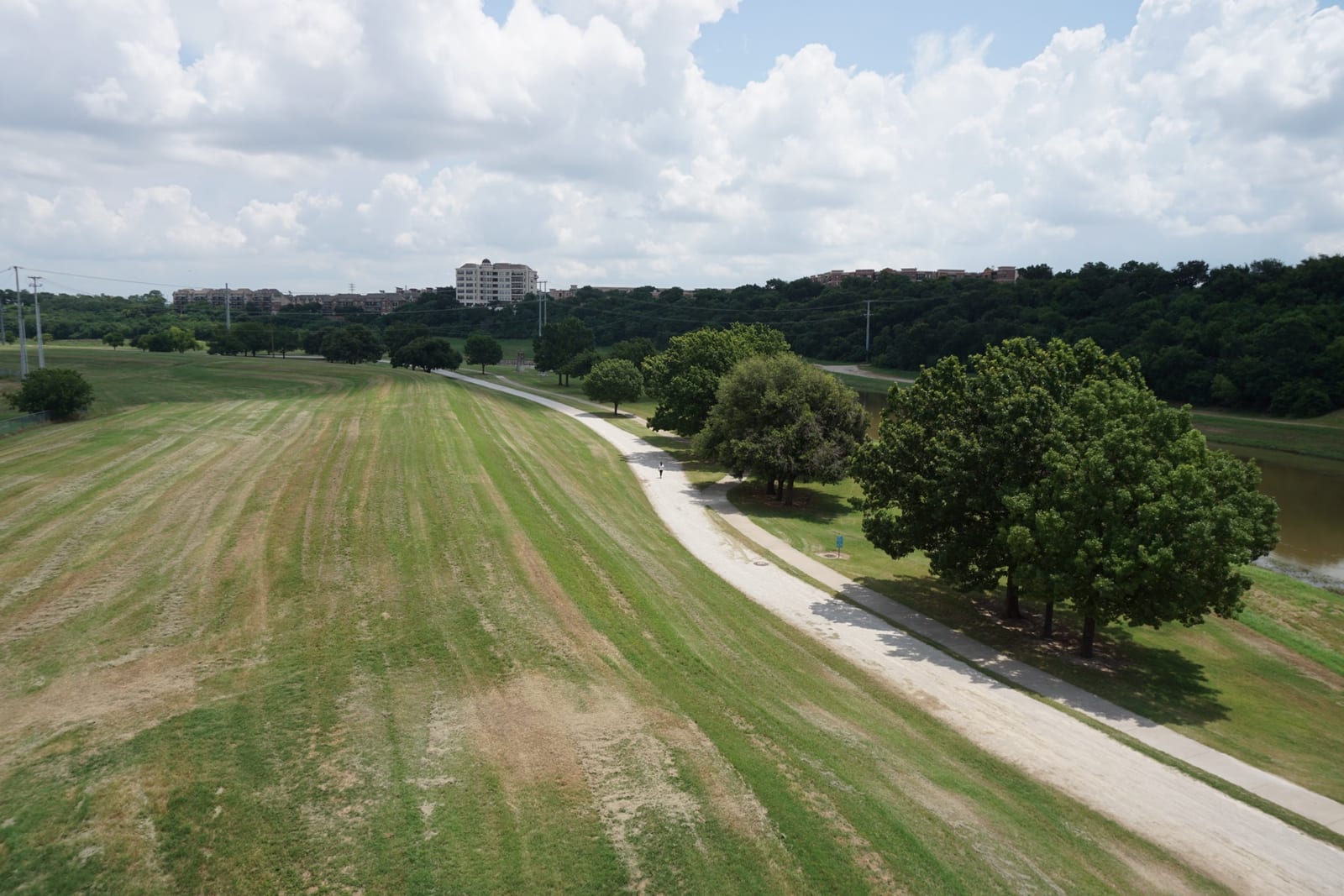
Some couples get more out of this window by using it in motion instead of face to face. A walk along a real trail, Fort Worth's Trinity Trails or Dallas's Katy Trail or whatever loop is closest, gets used less for talking everything all the way out and more for being alongside each other again without the eye contact a kitchen table demands. Moving side by side lowers the stakes of saying the first real sentence after a fight, in a way that sitting across from someone rarely does.
Going quiet isn't the same thing as cooling off
The trap plenty of couples fall into is mistaking silence for de-escalation. Retreating to separate rooms, or riding home without a word, can look like a fight winding down when it's really just paused, with neither person sure when or whether it's safe to bring it back up. Left alone long enough, that kind of quiet doesn't dissolve the argument. It just moves it underground, where it resurfaces sideways, as a short temper at dinner or a pointed comment about something unrelated three days later. A real cooldown has an expected point of return. Going quiet without one is just delay with a different name.
What an actual repair attempt looks like
Naming a return time before stepping away. "I need twenty minutes, then I want to try again" does something silence alone can't: it tells the other person the door isn't closing, just pausing.
Leading with something small and true, not a verdict. Coming back with "I'm still upset, but I don't want to be upset all night" opens a conversation. Coming back with a fully reasoned case for who was wrong closes one.
Using the commute or the walk as a container, not a courtroom. The point of that time isn't to rehearse the argument you're going to win. It's to get calm enough that the next conversation isn't a rerun of the last one.
Addressing the pattern, not just this round. If the same disagreement keeps circling back, the more useful conversation is usually about how the two of you fight, not who was right this time.
The habit worth building
Getting better at this doesn't require either person to get better at arguing. It requires treating the twenty or thirty minutes after a fight as a real part of the fight, not empty time to get through before pretending it's over. The couples who handle conflict best in DFW aren't the ones who never fight in the car on the way home. They're the ones who've figured out what to do with that time once they're in it. The twenty minutes are only the first half. Plenty of couples cool off on the drive and then spend the rest of the week running school and trash night without ever going back to what was said. That longer stretch has its own problems.
More on Marriage
The Property Tax Fight: Why January Bills Hit DFW Marriages So Hard
Texas has no state income tax, but DFW couples still feel the bill. Property taxes turn homeownership, fairness, school districts, and lifestyle pressure into one annual marriage conversation.
7 Signs It May Be Time for Marriage Counseling in Dallas
Most couples do not wake up one morning suddenly needing help. In Dallas families, the signs usually show up in the car, the calendar, the budget, and the quiet routines that stop feeling safe.

When Your DFW Marriage Runs on Errands Instead of Conversation
Some DFW marriages don't blow up. They disappear into pickups, toll statements, returns, and HOA email, until the only language left in the house is the to-do list.