Dating in Dallas Right Now: What Singles Are Actually Saying
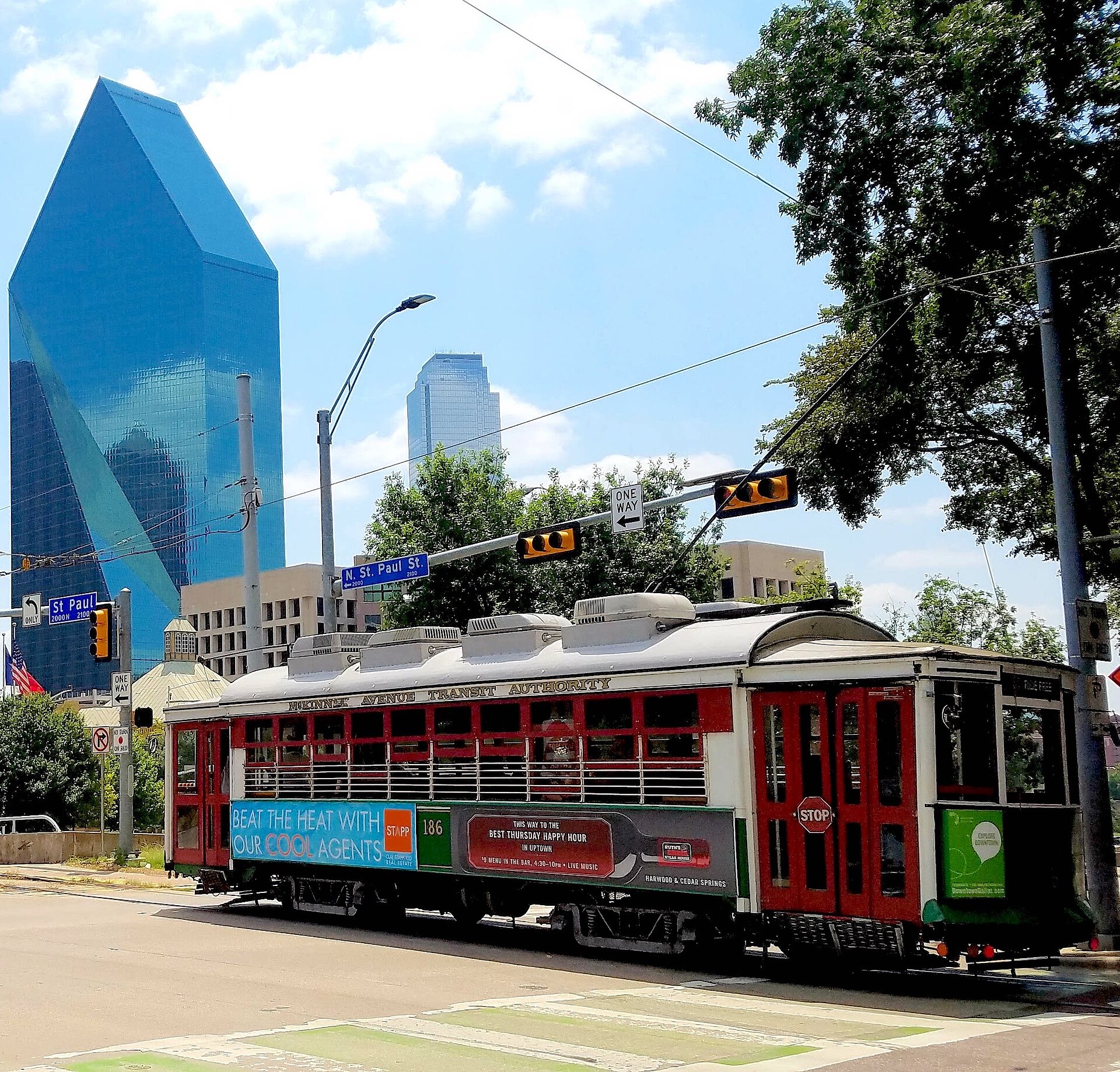
Every big city has its own dating reputation, fair or not, and Dallas–Fort Worth has developed a fairly specific one: image-conscious, career-driven, and just spread out enough that meeting someone organically feels harder than it should in a metro area of eight million people. Some of that reputation is deserved. Some of it flattens a much more complicated picture. Here's what actually seems to be true, based on the patterns that keep coming up.
The sprawl problem is real, and it changes how dating works
In a dense city, you can date someone from a different neighborhood and still see them twice a week without much friction. In DFW, "we live twenty minutes apart" can mean anything from a quick hop to a genuine commitment, depending on time of day and which highways are involved. That changes the calculus of early dating in a way that's easy to underestimate: plenty of promising early connections fizzle out not because the chemistry wasn't there, but because neither person wanted to commit to a 40-minute round trip for a second date before knowing if it was worth it.
The practical effect is that a lot of daters in DFW have started being more upfront, earlier, about general geography — not as a dealbreaker, but as a real logistics conversation, in a way that might feel unusually direct in a smaller city.
The apps introduce you. They also wear you out.
Dating apps are how most new relationships start now, more or less everywhere, and DFW is no exception. But the sheer size of the pool here creates its own specific exhaustion: an almost endless supply of profiles that can make it easy to keep browsing instead of committing to actually meeting someone. Plenty of people describe hitting a point where the apps start to feel less like a tool and more like a low-grade job, and deliberately taking breaks from them has become a fairly normal thing to do, not a sign of giving up.
There's also a network-effect problem specific to a spread-out metro: matching with someone doesn't guarantee you're actually in the same "third place" ecosystem (the same gyms, coffee shops, or neighborhood spots) the way you might be in a smaller, denser town, which can make it harder to build the kind of casual, low-pressure familiarity that often precedes a first date going well.
The networking culture cuts both ways
Dallas has a strong professional and social networking culture, with plenty of industries here running on relationships, introductions, and a fairly polished way of presenting yourself. That culture bleeds into dating in ways people don't always notice: a tendency to "interview" a date the way you might vet a professional contact, a comfort with small talk that can sometimes stay small talk longer than it should, and a general expectation of being put-together that some daters find energizing and others find exhausting.
The upside of that same culture is no shortage of built-in structure for meeting people who aren't strangers off an app: industry events, young professional groups, alumni networks, and a fairly active scene of classes and hobby groups (run clubs, pickleball leagues, book clubs) that have become one of the more reliable ways people describe meeting someone organically here.
Third places are scarcer than they used to be
Coffee shops, bars, and other low-stakes hangout spots exist in DFW in real numbers, but the driving-first design of most of the Metroplex means fewer people are walking distance from them, which reduces the number of casual, repeated run-ins that used to be a common way relationships got started almost by accident. Daters who've found the most luck meeting people organically tend to be the ones who deliberately picked one or two regular spots (a specific coffee shop, a specific gym class) and showed up consistently enough to become a familiar face, rather than trying a different new place every time.
What people actually seem to want, underneath all of it
Strip away the app fatigue and the sprawl complaints, and what most people describe wanting is pretty simple: someone who's actually present rather than performing, in a dating culture that can sometimes reward polish over substance. The daters who report the best experiences tend to be the ones who've gotten comfortable being a little more direct, a little earlier, about logistics, about what they're looking for, about whether a second date is actually worth the drive, rather than letting a promising connection fade out under the weight of a 40-minute commute and an unread text. That directness matters even more once kids are in the picture. A sizable share of people dating here in their 30s and 40s are dating a single parent, and the drive-time question stops being about a second date and starts being about whether your Tuesday even exists.
More on Dating
Moving In Together in Dallas Because the Lease Is Up
A lease deadline can rush a Dallas couple into sharing an apartment. Before signing, talk through the commute, monthly costs, daily habits, and what happens if you split.
Dating in Dallas When Everyone Else Seems Ahead
White Rock engagement photos, Celina new builds, weeknight baby showers. Dallas makes other people's timelines easy to see, and dating starts to feel like a scoreboard.
Dating a Single Parent in DFW: When the Other Household Sets the Calendar
A sizable share of people dating in their 30s and 40s in Dallas–Fort Worth are dating someone who already has kids. The chemistry is rarely the hard part. The calendar is, especially in a metro where pickup, custody exchanges, and weekend tournaments already eat the drive time.