When Travel Sports Take Over the Family Calendar in DFW
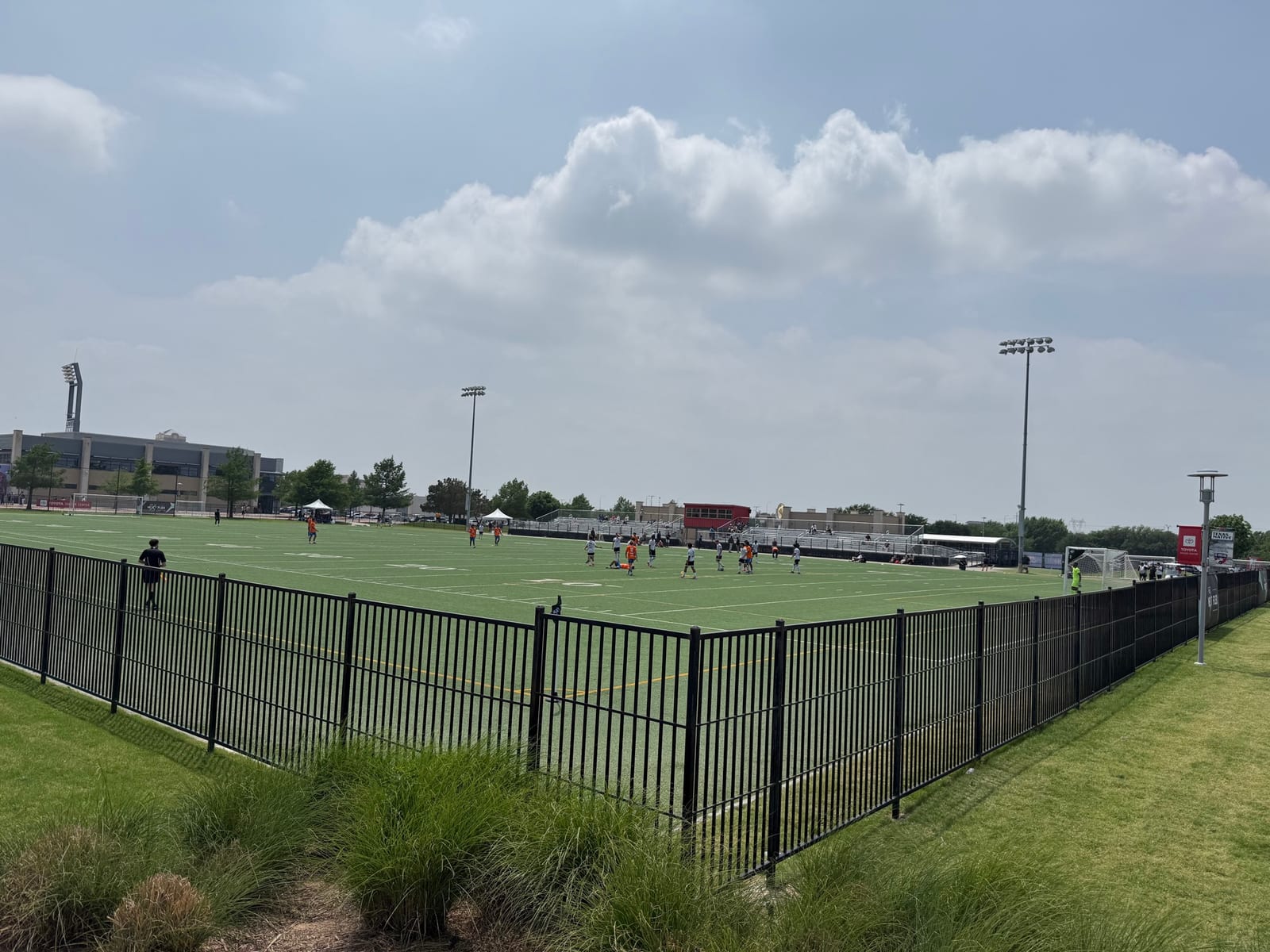
Youth sports in North Texas run at a different intensity than a casual rec league, and most families don't fully grasp that until they're already in it. A kid shows promise in club soccer or travel baseball, and within a season or two the family's weekends belong to tournaments, sometimes across the Metroplex, sometimes a flight away, with practices three or four nights a week in between. What started as an after-school activity turns into something closer to a second, unpaid job for whichever parent ends up managing it.
How a hobby becomes the family's whole schedule
The shift usually happens gradually enough that no single decision feels like the turning point. Rec league becomes select. Select becomes a club with a real travel schedule. One tournament a month becomes two, then a weekend trip to Oklahoma City or Houston becomes a regular fixture on the calendar. By the time a family notices how much of their life now runs around one kid's sport, backing out feels like it would waste the money and the years already invested, even if nobody set out to build a life around a travel schedule in the first place.
DFW's size actually makes this worse, not better. A competitive club pulling talent from across the Metroplex means "local" games can still mean an hour's drive each way, and a region dense with serious youth-sports programs means the competition, and therefore the travel required to stay in it, keeps escalating.
The parent who disappears into it
Almost every travel-sports family has one parent who becomes the default: the one who learns the tournament brackets, drives to most of the practices, manages the carpool group chat, and takes the PTO for weekday games. It's rarely an explicit decision. It's usually whichever parent had a more flexible schedule the season it started, and by the time the arrangement has calcified into a routine, changing it feels disruptive even if it's become unsustainable.
That parent's identity can start narrowing around the sport in ways that are easy to miss from the inside. Their social life becomes other sports parents. Their conversations with their spouse become logistics, who's driving Saturday, whether the hotel for regionals is booked. The couple's actual relationship, the part that isn't about the kid's schedule, can shrink to almost nothing during a long season without either partner deciding that's what should happen.
What it does to siblings and the couple's own time
A sibling who isn't the athlete often absorbs a real cost that doesn't show up directly: fewer one-on-one moments with the sports-parent, weekends built around someone else's tournament schedule, a family identity that can start to orbit one kid's talent more than feels fair to the others. Most parents notice this eventually, usually when the non-athlete sibling says something offhand that reveals they've clocked it too.
Couple time tends to be the first thing cut, since it's the easiest thing to justify skipping when a tournament weekend is looming. Date nights get rescheduled around away games often enough that they stop happening at all, and a couple can go an entire competitive season functioning more like co-managers of a travel operation than partners, without ever having a single fight about it, just a slow drift that's harder to name than an argument would be. A new partner dating into one of these families inherits that same calendar, which is its own problem, separate from the marriage already running on tournaments.

What families who handle it well tend to do
Deciding together, at the start of a season, what the actual limit is. How many weekends away is the family willing to give up. What the budget ceiling looks like. Families who set that boundary before the schedule fills in tend to have a much easier time saying no to the extra tournament than families trying to draw a line mid-season, once momentum and sunk cost are already working against them.
Rotating who does the driving and the logistics, even imperfectly. The point isn't a perfect fifty-fifty split. It's making sure the job doesn't become permanently invisible to the partner who isn't doing it, and giving the primary parent real, scheduled breaks rather than an open-ended assumption that they'll handle it indefinitely.
Protecting specific, non-sport time for the other kids on purpose. A standing one-on-one outing, even something small, tends to matter more to a sibling than parents expect, precisely because it signals they're not just the family that comes along to their brother's or sister's games.
Naming the couple-time gap directly instead of waiting for the season to end. A short check-in, even a ten-minute one after a tournament weekend, about how the two of you are actually doing, not just the schedule, tends to keep the relationship from running entirely on autopilot for months at a stretch.
The honest tradeoff
Travel sports can be well worth it for a kid who loves it and is building something real, discipline, friendships, a sense of accomplishment that matters. What tends to go wrong isn't the sport itself. It's a family that never explicitly decided how much of their life they were willing to hand over to it, and woke up a season or two later wondering where the rest of their weekends went.
More on Family

When Your Teen Starts Driving in DFW: What It Does to the Family
A new 16-year-old driver brings relief from school pickups, fear of North Texas highways, and marital friction over keys, tracking apps, and family rules.

When DFW Kids Notice the Tension Before Adults Do
The school run still happens and the game in Frisco still happens. Kids often catch the short answers and the silent car before either parent is willing to call the house tense.

The Quiet Day After a Big DFW Family Weekend
After a tournament, a holiday, or visiting relatives, many DFW families expect relief and get a drop instead. The quiet day after is when the pace finally shows its cost.