When Your Teen Starts Driving in DFW: What It Does to the Family
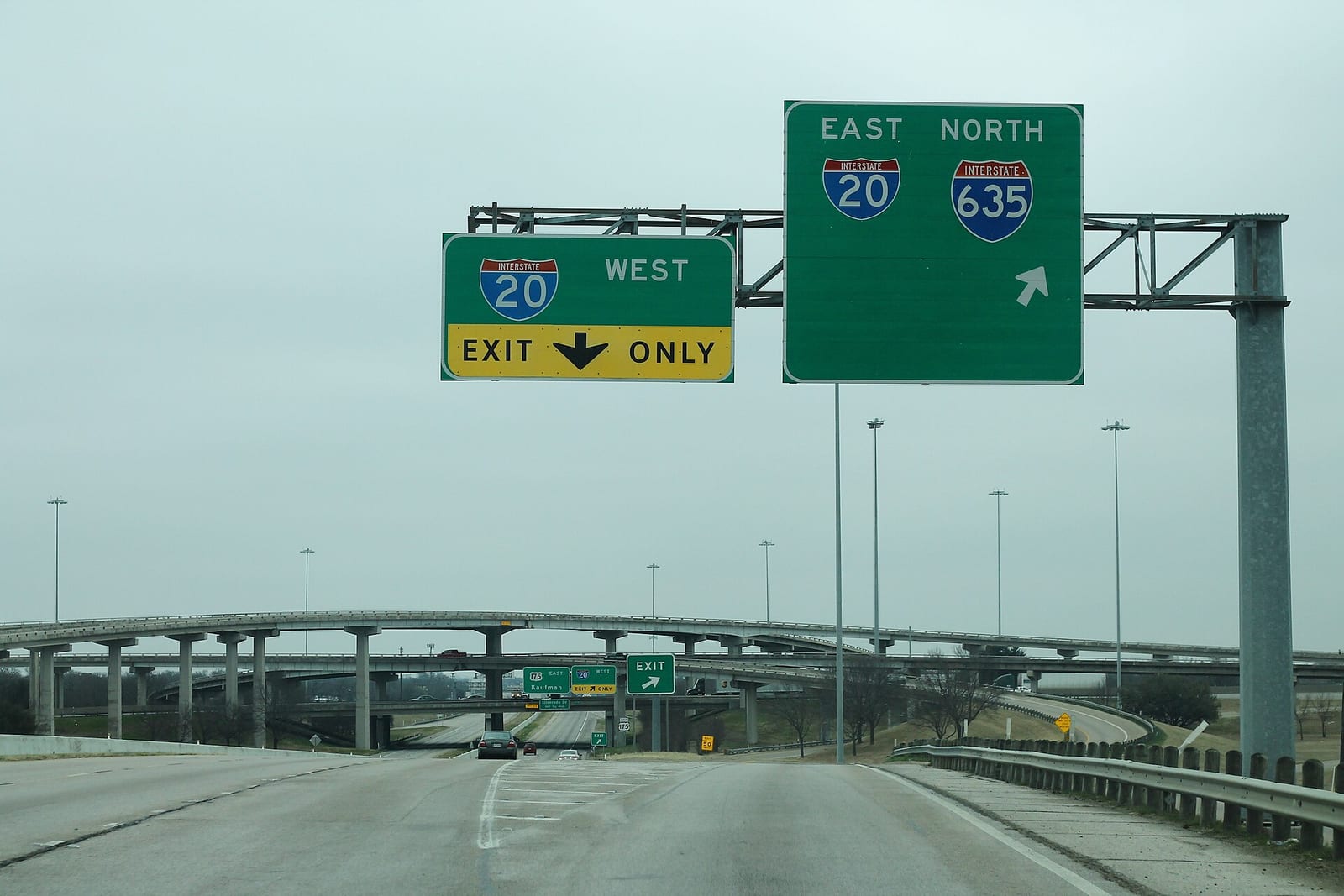
When a teenager gets a driver's license in Dallas-Fort Worth, parents often feel relief and fear in the same week. Another driver in the house ends years of school pickup lines. It also puts a brand-new driver on I-635, US-75, and the tollways, and it tends to expose disagreements between parents about keys, curfews, and tracking apps. Families handle it better when the parents get aligned before the keys change hands.
Why does teen driving trigger intense anxiety for Dallas parents?
Teen driving hits Dallas parents hard because there's little middle ground between neighborhood streets and high-speed highways. A new driver may face I-635 interchanges, tollway merges, and impatient commuters within weeks. Add arguments over curfews, location tracking, insurance costs, and who gets the car, and the stress lands on the marriage too.
The relief of losing carpool duty meets the terror of the tollway
In suburbs like Frisco, Plano, Southlake, and Allen, parents spend years tied to school pickup lines on Coit Road or Preston Road. You trade away late afternoons idling behind exhaust pipes while answering work emails from your steering wheel.
When your sixteen-year-old finally passes the driving test, the first reaction is usually relief. Nobody has to rush away from an office near Legacy West to pick up a sophomore. You get two hours of your day back.
That lasts about two days.
Almost nothing a DFW teenager wants to reach is accessible through neighborhood streets alone. To visit a classmate in McKinney, reach an after-school job in Las Colinas, or travel to a game across Collin County, they must take high-speed tollways and expressways. Now the relief comes with a knot in your stomach every time the garage door rolls up.
Why North Texas highways are brutal for new drivers
DFW roads don't give new drivers much room to learn.
Take I-635 during evening rush hour, where construction barriers and sudden lane drops require instant decisions at sixty-five miles per hour. Look at US-75 through Richardson and Plano, where short on-ramps force cars into dense traffic while commercial trucks blast past in the center lanes. Merge onto the Dallas North Tollway near Spring Valley Road on a rainy evening, and even seasoned commuters feel the tension.
Then add unpredictable North Texas weather. A sudden thunderstorm rolling across Tarrant County or Dallas County dumps sheets of water in ten minutes, creating standing water and blinding spray. On Friday nights, high school football floods roads around massive district stadiums in Allen or Southlake, mixing hundreds of hurried student drivers with stadium congestion.
Parents know these hazards from daily commutes. Handing a child keys to an older sedan means sharing lanes with speeding trucks on SH-121 and I-35E. That fear isn't irrational. It comes from roads you drive every day.
When parents disagree on phone tracking and car keys
The hardest fight often unfolds in the kitchen rather than on the road.
Couples rarely discover how different their risk tolerances are until their oldest child gets a license. One parent wants location alerts every time the car tops seventy miles per hour. That parent watches the glowing screen, tracks every turn on the tollway, and texts the moment the car stops. The other parent calls constant tracking suffocating, argues that sixteen is the age to build self-reliance, and hands over the keys with minimal questions.
Neither parent is wrong in their intention. One manages anxiety through close oversight; the other through deliberate trust.
Because both partners believe they are protecting the teenager, the disagreement turns sharp. The cautious spouse accuses the other of being reckless. The relaxed spouse accuses the partner of paranoia and control. When couples argue over whether their teen can take the President George Bush Turnpike after dark, they are fighting over whose emotional tolerance level governs the house.
The household ripple: younger siblings and insurance bills
A new teen driver reshuffles the household budget and daily schedules.
Adding a teen to the auto policy can feel like a second property tax bill. Buying an older third vehicle, paying registration, and opening an additional NTTA TollTag account adds up fast. Couples managing suburban expenses find themselves arguing over every toll charge and fuel bill, echoing familiar friction over toll bills and driving costs.
Then comes the sibling dynamic. Parents often expect the newly licensed driver to take over carpool duties, dropping younger siblings at soccer in Coppell or gymnastics in Carrollton.
Frequently it backfires. The teen driver feels like an unpaid chauffeur, while the younger child feels anxious beside an inexperienced sibling. Parents who once used morning car rides to talk with their children find that conversations shrink to quick logistics texts. The household drifts into the pattern of when household errands take over the marriage, treating family members like transit dispatchers rather than people sharing a home.
A four-step plan for staged driving privileges
Parents do not have to choose between keeping a teenager confined to neighborhood streets and turning them loose on every highway in North Texas. Staging privileges gives the teen independence while giving parents real reassurance.
Start by checking the current Texas DPS rules for provisional licenses, which restrict things like late-night driving and passengers. Your family rules sit on top of the state's, not in place of them. Then build competence in stages.
-
The School Commute Phase. For the first three weeks, the teen only drives the exact daylight route between home, school, and one campus activity. No teen passengers. No phone handling.
-
The Major Arterial Phase. Practice busy multi-lane corridors like Preston Road, Coit Road, or MacArthur Boulevard. Focus on unprotected left turns across heavy traffic during peak suburban hours.
-
The Daylight Highway Phase. Practice merging onto SH-121, US-75, or I-35E on clear weekend mornings when lanes are open. Teach your teen how to match highway speed before entering traffic.
-
The Night and Weather Phase. Permit nighttime driving and tollways only after earlier stages are second nature. Set a firm rule: if North Texas skies turn dark with spring hail or storm warnings, the car stays parked.
Scripts for when fear turns into a marital argument
When panic flares over car keys, couples need clear words to interrupt arguments before they cause damage.
When one partner is checking tracking apps constantly: "I know watching the tracker eases your anxiety right now, but checking the map constantly keeps you on edge all evening. Can we agree on an arrival text instead of tracking every mile?"
When one partner hands over keys without checking in: "I want our teen to have independence too. But letting them take the tollway at night without talking to me leaves me carrying all the worry alone. We need to decide these trips together before anyone gives permission."
When the teen tries to divide parents: "We make driving decisions together. If you ask one of us after the other set a boundary, you lose the keys for the weekend."
The point of all three is the same: the parents are on one side, and the risk is on the other.
What to decide before your teen asks for the keys
Before next weekend arrives, take twenty minutes after dinner to talk with your spouse away from the kids. Agree on three non-negotiable boundaries: curfew limits, passenger rules, and zero phone use while moving. Decide together whether a third car is a family resource or a privilege that requires good grades and contributed insurance payments.
Parenting a new driver across Dallas-Fort Worth tests whether two parents can stay on the same side while the risk is real. If you want to explore how other suburban milestones shape the connection between parents, read through our family relationship archives.
More on Family
When DFW Kids Notice the Tension Before Adults Do
The school run still happens and the game in Frisco still happens. Kids often catch the short answers and the silent car before either parent is willing to call the house tense.
The Quiet Day After a Big DFW Family Weekend
After a tournament, a holiday, or visiting relatives, many DFW families expect relief and get a drop instead. The quiet day after is when the pace finally shows its cost.
Friendsgiving in DFW: Building a Holiday Table When Family Is a Plane Ride Away
So much of DFW's growth has come from people who moved here alone or as a young couple, without extended family anywhere nearby. Here's what that does to the holiday season specifically, and how a lot of transplants end up building something real out of it instead of just getting through it.