Why the Toll Road Becomes a Recurring Fight in DFW Marriages
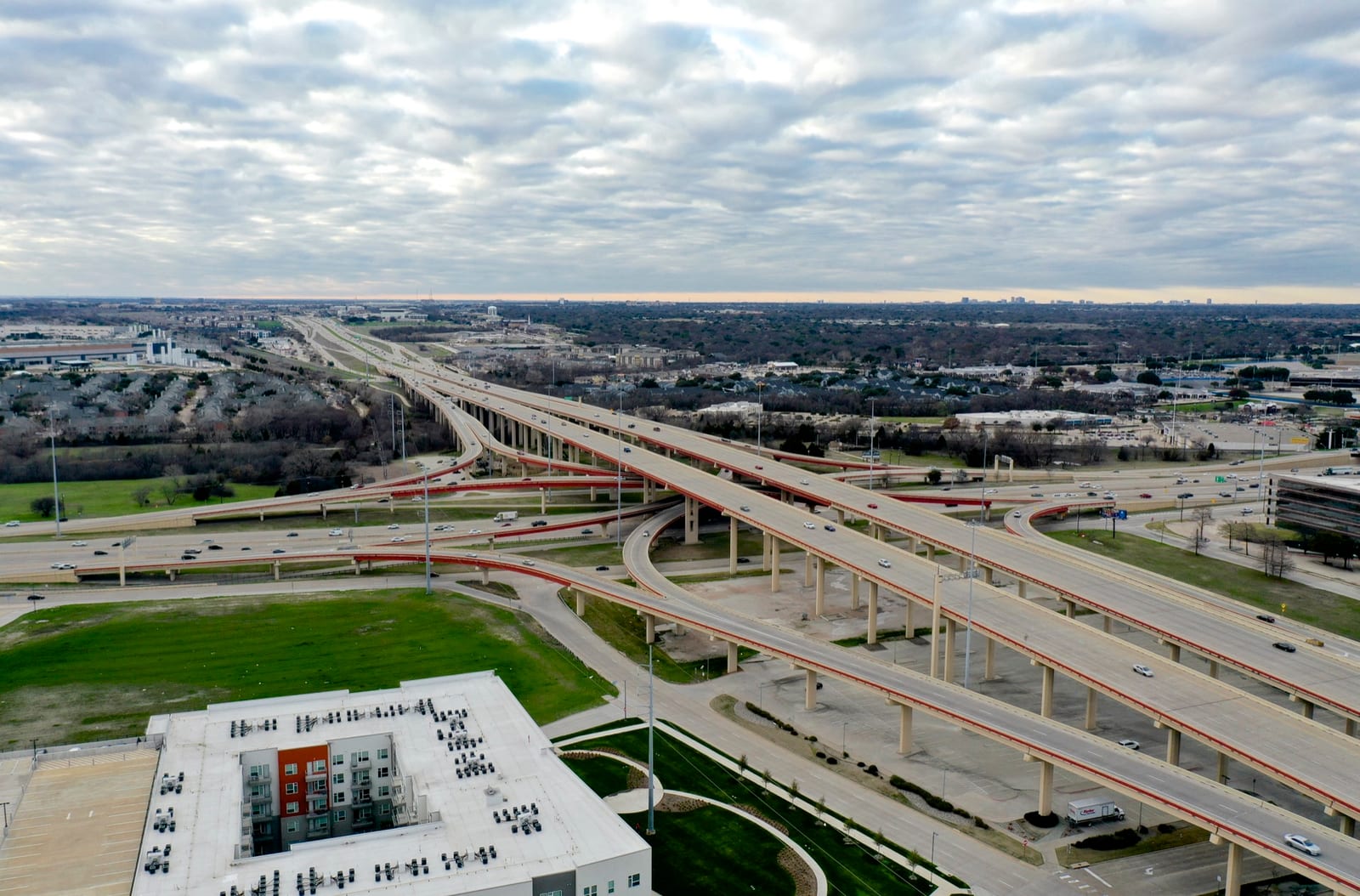
Ask a couples therapist in Dallas–Fort Worth what small, repeatable decision turns into a stand-in for bigger arguments about money and control, and toll roads come up more often than people expect. The fight is rarely about the seventy cents or two dollars a single trip costs. It's about the fact that this same decision gets made twice a day, most days of the week, and one partner's choices show up on a monthly statement neither of them asked to receive.
Why a two-dollar toll becomes a recurring argument
North Texas grew up around toll infrastructure in a way most other metros didn't. The Sam Rayburn Tollway, the President George Bush Turnpike, the Dallas North Tollway, and the Chisholm Trail Parkway all exist because NTTA built the roads that let Frisco, Plano, McKinney, Prosper, and Southlake sprawl outward faster than tax-funded freeways could keep up. That means a huge number of DFW commutes involve an actual choice, not a formality: take the tollway and save fifteen to twenty-five minutes, or take the free frontage road or service road and save the money. One partner defaults to the tollway without thinking twice. The other calculates the toll cost every single time and usually decides it isn't worth it. Neither is wrong. They're weighing time and money differently, and unlike most financial disagreements, this one repeats on a daily cycle instead of getting settled once.
The TollTag statement as an accidental audit
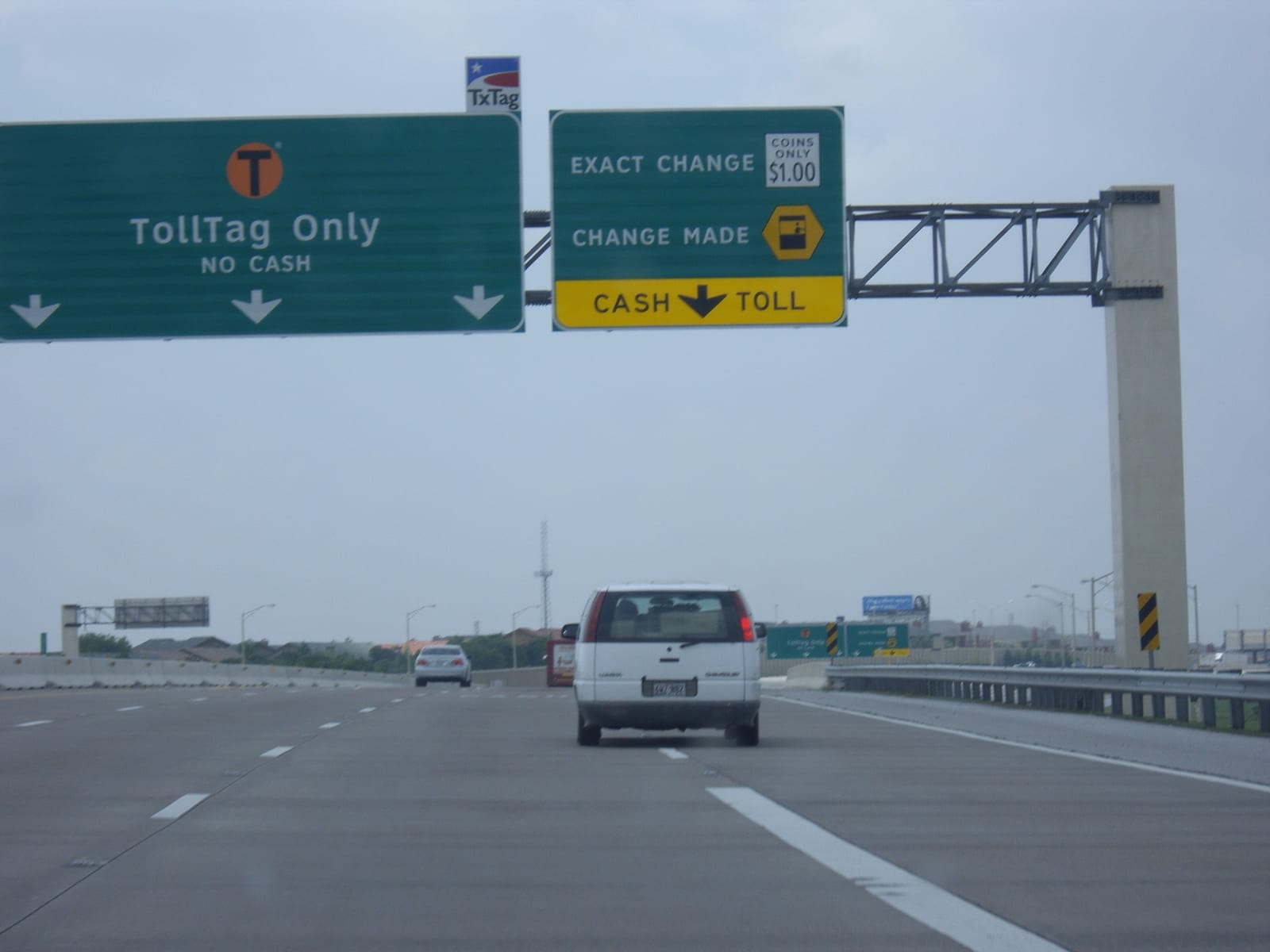
NTTA bills through a TollTag account, either by autopay from a linked card or through a monthly statement a household can log into and review line by line. That statement turns into something neither partner set out to create: a dated, itemized record of exactly when and how often each person chose speed over savings. Whoever opens it first effectively audits the other's driving decisions, even when that was never the intent. This is different from the friction an HOA board imposes from outside a household. Nobody mailed a rule here. The tension is self-generated, which is exactly what makes it feel personal instead of procedural.
Whose name is on the account, and why that matters more than it should
Plenty of DFW households run one TollTag account per vehicle, or one shared account tied to whichever partner set it up first. Whoever controls the login also controls the balance, the autopay card, and the alerts when funds run low. The other partner ends up dependent on a system they didn't build, checking whether there's enough on the tag before a trip that matters, or bringing up a low balance and getting read as picking a fight over money instead of just flagging a logistics gap. In a marriage where financial roles already run along uneven lines, this kind of small dependency can end up carrying more weight than the toll charges ever do.
What the argument is actually about
The seventy cents is rarely the real subject. Underneath it is usually a disagreement about whose time counts as more valuable in a given week, and whether saving money is a shared value or one partner's private discipline that the other feels judged against. A partner racing to daycare pickup before a five-thirty cutoff has a very different relationship to that toll than a partner running an errand with no fixed deadline. When those differences never get named out loud, the toll road becomes the visible symbol of an invisible disagreement about priorities.
A way to stop relitigating it every week
Treat toll spending as a line item, not a character flaw. A rough monthly number, agreed on together, takes the daily decision out of debate.
Set a shared rule for when the tollway is a given, not a negotiation. Late for a pickup, running a sick kid to urgent care, catching a flight out of DFW Airport: decide in advance which situations settle the question automatically.
Let the statement be informational, not evidence. Checking it together once a month, instead of one partner discovering it and building a case, changes what the numbers mean.
The toll road isn't going anywhere in a metro built the way this one was. What's worth changing is whether the decision gets made together once, or relitigated every time one partner merges onto the tollway alone. It's not the only recurring DFW money conversation couples put off either; property taxes and insurance renewals tend to sneak up the same way.
More on Marriage
The Property Tax Fight: Why January Bills Hit DFW Marriages So Hard
Texas has no state income tax, but DFW couples still feel the bill. Property taxes turn homeownership, fairness, school districts, and lifestyle pressure into one annual marriage conversation.
7 Signs It May Be Time for Marriage Counseling in Dallas
Most couples do not wake up one morning suddenly needing help. In Dallas families, the signs usually show up in the car, the calendar, the budget, and the quiet routines that stop feeling safe.

When Your DFW Marriage Runs on Errands Instead of Conversation
Some DFW marriages don't blow up. They disappear into pickups, toll statements, returns, and HOA email, until the only language left in the house is the to-do list.