The Grandparent Gap: Building Real Backup Childcare in DFW Without Family Nearby
A large share of DFW's population growth over the past decade has come from corporate relocation, whole companies moving headquarters in and bringing employees with young families along with them. That means no shortage of households here are raising kids without grandparents anywhere close, sometimes not even in the same time zone, which cuts both ways: the same distance that removes day-to-day help also means a grandparent visit, when it happens, tends to arrive as one long, concentrated stay instead of an easy weekend drop-in. The gap that leaves behind isn't just "we don't have community yet." It's a specific, concrete function grandparents usually perform for free, and it takes a different, more deliberate kind of relationship-building to replace than making friends does.
The specific thing that's actually missing
It's easy to name the gap as loneliness and stop there, but what families actually miss tends to be more precise than that. The 7 a.m. call when a kid wakes up with a fever and someone needs to be there in twenty minutes. A free night that makes an actual date night possible without a sitter bill eating the point of going out. Someone who'll take the kids for a random Tuesday afternoon with no notice and no favor owed in return. An extra, low-judgment pair of hands during the exhausting first weeks with a newborn. None of that requires a big social circle. It requires one or two people who'd say yes on short notice, and that's a much narrower thing to build than "community" as a general idea.
Why "find your people" advice doesn't fully close it
Story time at the library, a rec league, a faith community's parent group: these are real and they work for building a social circle, and they're worth doing. But there's a wide gap between a friend you see monthly at pickup and someone you'd actually hand a sick kid to at 7 a.m. with no warning. Crossing that gap takes more than the repeated, low-stakes contact that turns strangers into friendly acquaintances. It takes a specific kind of trust that has to be built and tested on purpose, not assumed once the friendliness is there.
How DFW families actually build that trust deliberately
Starting a reciprocal babysitting swap with two or three families early, not waiting to be asked. The families who report this actually working tend to be the ones who offered first: "text me anytime, I mean it," followed through when the ask actually came, uncomfortable timing and all.
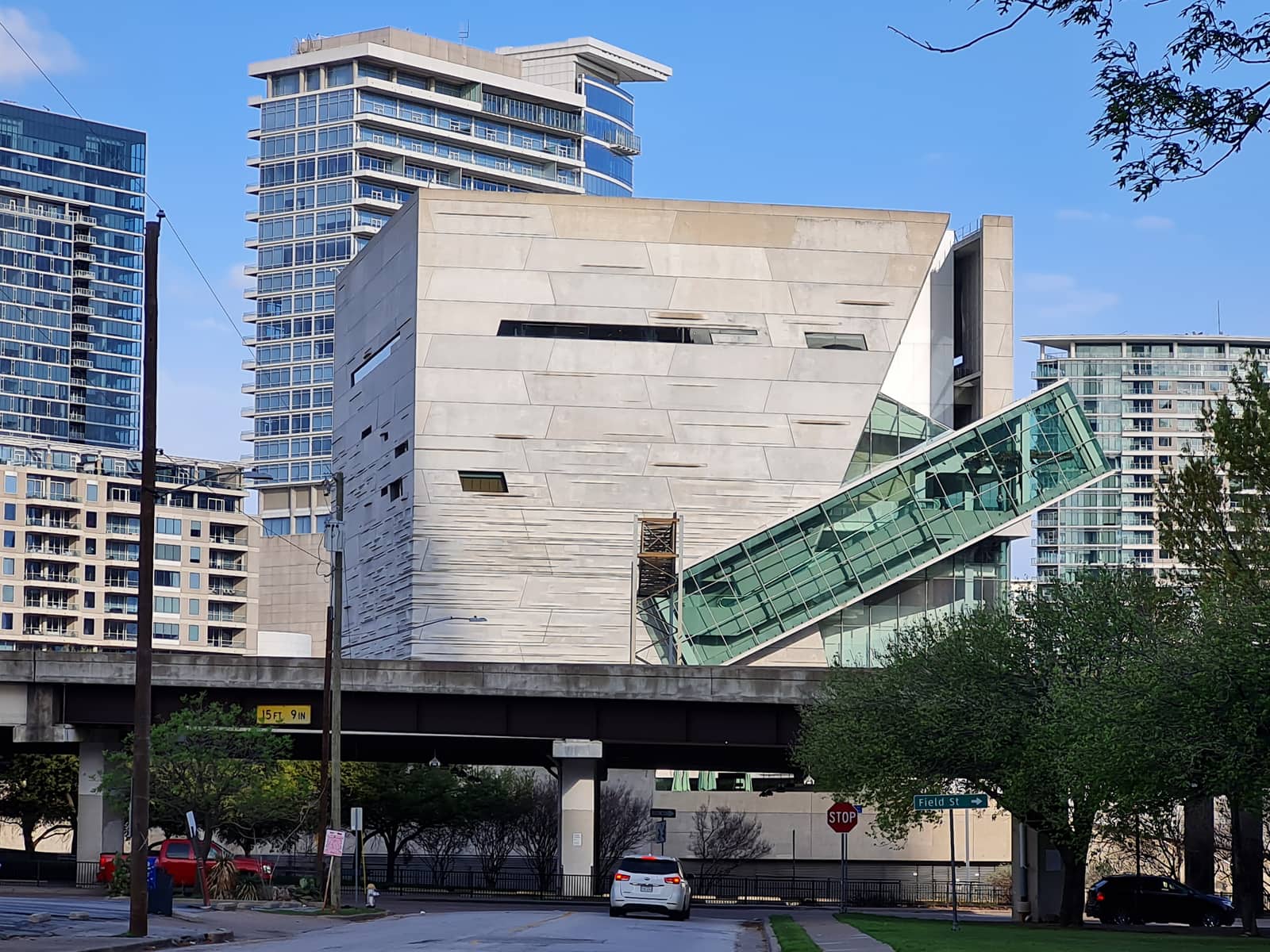
Using recurring, kid-centered contact as the entry point, then converting it on purpose. Museum member mornings at a place like the Perot Museum, the same school pickup line, the same park at the same hour, week after week, build the familiarity. But familiarity alone doesn't become backup childcare. Someone has to take the extra step of naming the arrangement out loud instead of hoping it develops on its own.
Looking for a "chosen grandparent" relationship with an older neighbor. Empty-nesters and retirees in established DFW neighborhoods often want exactly this kind of connection and rarely get asked. A relationship built on genuine, non-transactional care, not payment, can end up filling a role closer to family than a paid sitter ever will.
Checking what an employer actually offers. Backup-care benefits have become more common at the larger corporate campuses that drove DFW's relocation wave in the first place, and they're frequently underused simply because nobody thought to ask HR directly.
What actually turns proximity into trust
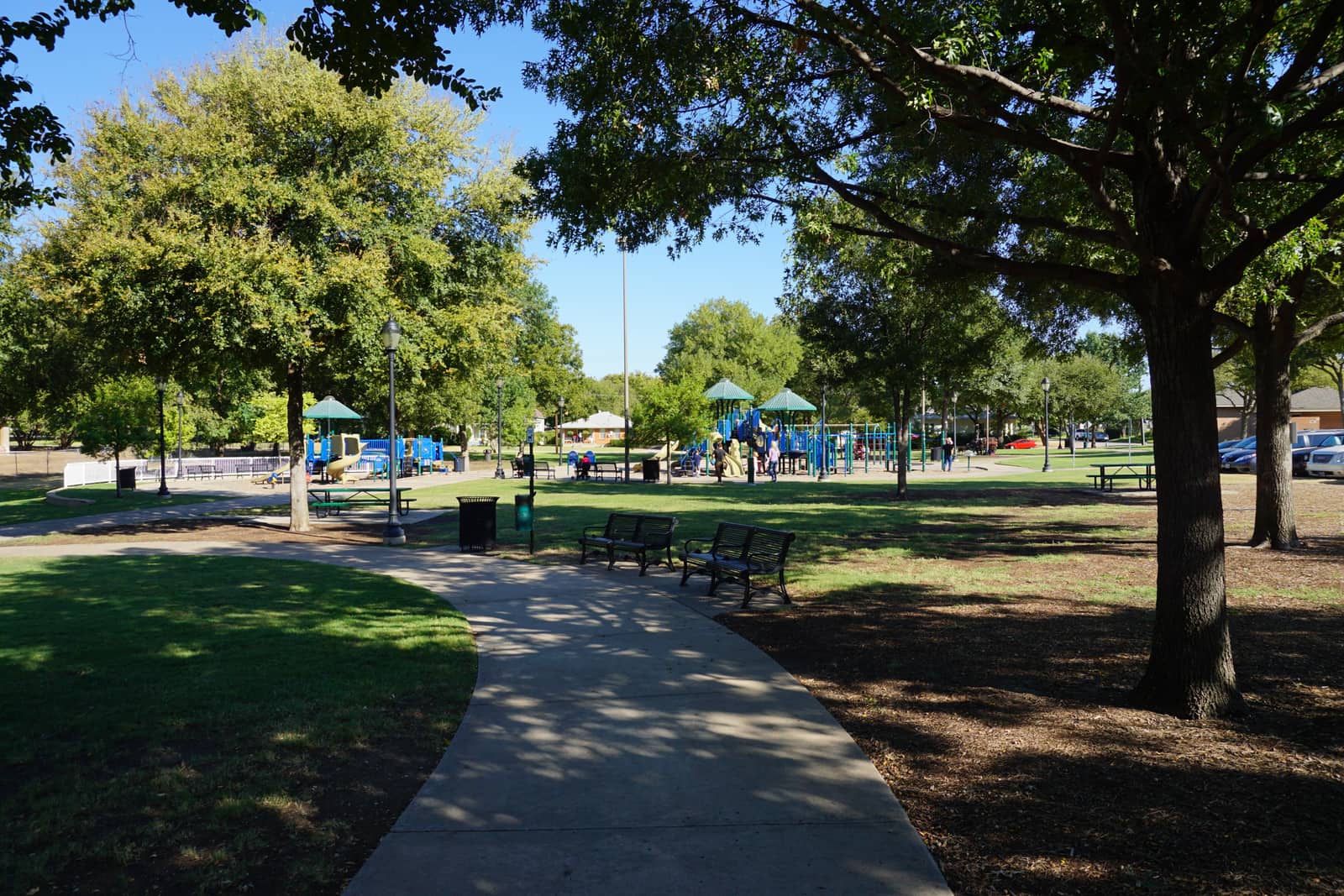
Showing up to the same park bench at the same time isn't the finish line, it's the starting point. What moves a relationship from familiar to reliable is someone offering first, meaning it, and then actually following through when the ask lands at an inconvenient hour. That usually takes a full year or longer before it feels dependable, and that timeline is normal, not a sign it isn't working.
The honest version
The families who close this gap fastest aren't the ones with the widest social circle. They're the ones who picked two or three relationships on purpose and invested in them deliberately, trading real favors early instead of waiting for the relationship to feel "ready," rather than spreading themselves across a big, warm, loosely connected network that's pleasant at a birthday party but never quite there at 7 a.m. on a sick day.
More on Family
When Your Teen Starts Driving in DFW: What It Does to the Family
A new 16-year-old driver brings relief from school pickups, fear of North Texas highways, and marital friction over keys, tracking apps, and family rules.

When DFW Kids Notice the Tension Before Adults Do
The school run still happens and the game in Frisco still happens. Kids often catch the short answers and the silent car before either parent is willing to call the house tense.
The Quiet Day After a Big DFW Family Weekend
After a tournament, a holiday, or visiting relatives, many DFW families expect relief and get a drop instead. The quiet day after is when the pace finally shows its cost.