Dating as a DFW Transplant: What Happens When Nobody Can Vouch for Anyone
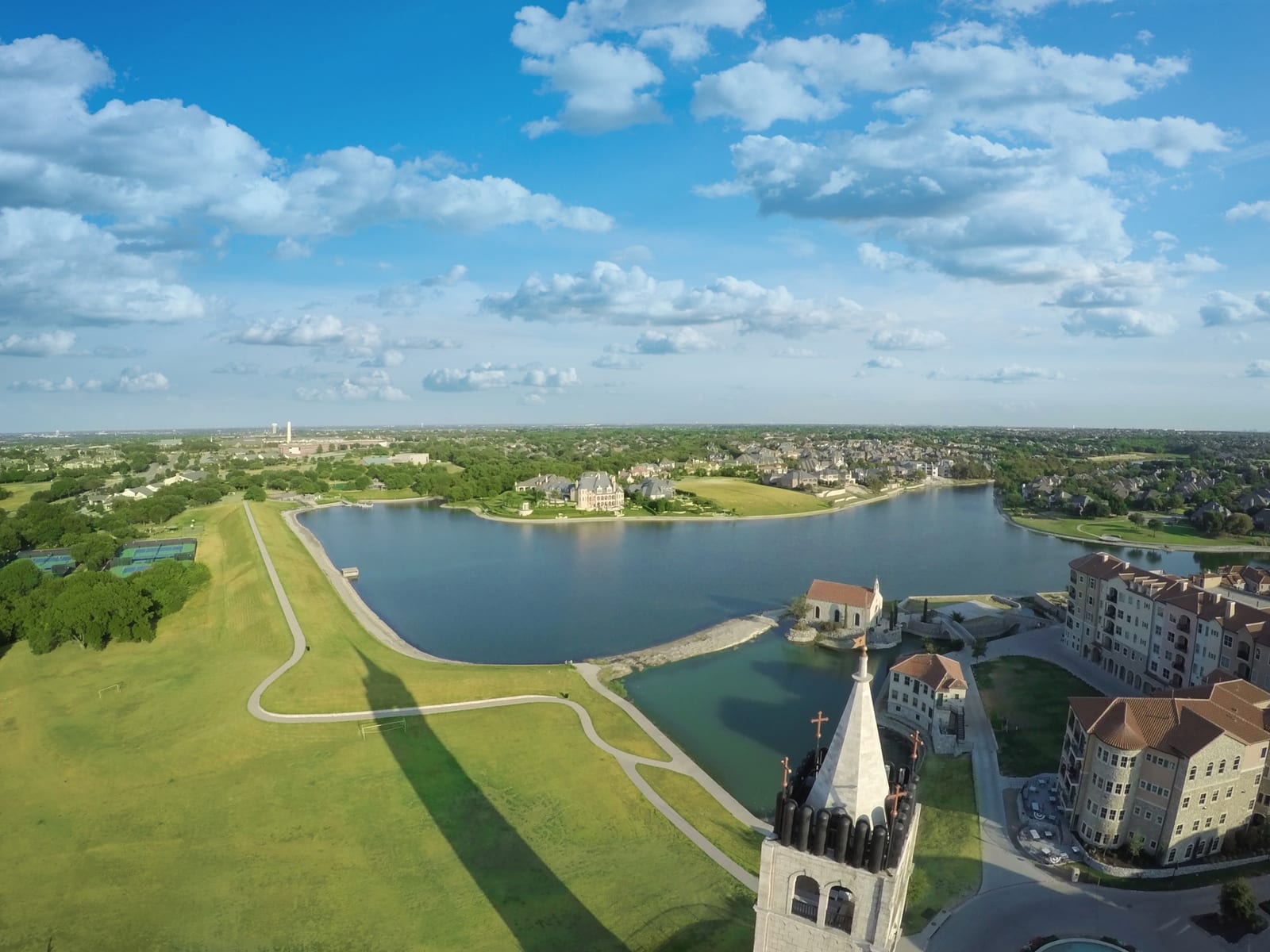
DFW has absorbed years of steady corporate relocation, whole headquarters moving in from California, the Midwest, and the Northeast, and every one of those moves brings single adults along with it. Ask around at a happy hour in Uptown or a run club in Plano and it's common to find that half the group has lived in the Metroplex for under three years. That has a specific, under-discussed effect on dating here: plenty of first dates now happen between two people who have no mutual friends, no shared workplace history, and no one either of them can privately text to ask "wait, do you know this person, is he normal."
The vetting network locals take for granted
In a hometown or a place you've lived for a decade, dating rarely starts from zero. Someone knows someone. A friend dated your date's roommate two years ago. A coworker's spouse went to high school with them. That web of loose connections does real work before a first date even happens: it filters out some of the worst outcomes and gives you a baseline sense that this is a real, known person, not a stranger constructed entirely out of an app profile.
Transplants don't have that web, and neither does the person they're matched with, if that person also moved here recently. Two strangers with zero overlapping social history end up doing the entire trust-building process from scratch, in real time, across a handful of dates, without the usual shortcuts.
What that actually changes about how people date here
The most obvious shift is a heavier reliance on the apps themselves, not because transplants prefer them, but because there's often no other on-ramp into a new city's dating pool yet. Someone who moved to Frisco eighteen months ago for a corporate transfer may not have built the kind of hobby-group or work-adjacent social circle that used to produce dates organically back home, which pushes more of the search onto Hinge or Bumble than they'd probably choose otherwise.
The second shift is slower trust-building, and it tends to show up as extra caution that can look like coldness if you don't know where it's coming from. Meeting in public longer than usual, sharing a location with a friend before a date, asking more direct questions earlier about someone's job and where they actually live. None of that is paranoia. It's a reasonable adaptation to dating in a pool where nobody can vouch for anyone.
The specific loneliness of dating with no backstory
There's a particular kind of tiredness that comes from repeatedly explaining yourself to people who have no context for who you are. A local dater's friends already know the general shape of their dating history, their family, their reputation. A transplant's date is meeting all of that for the first time, every time, with nobody around to fill in the gaps or offer a second opinion. It can make even a good early relationship feel oddly unanchored, like it's floating without the surrounding support system that usually holds a new couple up.
That loneliness compounds when a relationship doesn't work out. Breaking up in a hometown usually means leaning on a friend group who already understood the situation. Breaking up as a transplant can mean processing it almost entirely alone, because the small circle of friends you've built here may not have known your ex at all, or may know them just well enough that discussing the breakup feels socially awkward.
What tends to help
Building a non-dating social circle on purpose, before you need it. People who've put real effort into friendships here, a rec league team, a young professionals group, a regular class, tend to have somewhere to land emotionally regardless of how the dating side is going, and eventually that circle starts producing the mutual connections a hometown gives you for free. This isn't a transplant-only problem, either: longtime locals whose own friend group married off young by their early 30s end up needing to rebuild the exact same kind of circle, just later and with more to miss about how easy it used to be.
Being upfront that you're new here, rather than performing local familiarity. Plenty of transplants feel pressure to seem settled faster than they actually are. Naming it directly, "I moved here two years ago for work and I'm still building my circle," tends to land better than pretending otherwise, and it often turns out the person across the table moved here recently too.
Treating early dates as real getting-to-know-you, not shortcut small talk. Without a mutual friend to fill in the backstory, the two of you are the only source of information about each other. Asking real questions, and giving real answers, does the work a friend group would otherwise do.
Giving it more time before deciding something isn't working. Without the usual social reinforcement (friends who like your new partner, a shared circle that makes the relationship feel more solid), a normal rough patch can feel more precarious for a transplant couple than it actually is. That's worth naming to yourself before writing someone off too fast.
Even once the trust-building is done, DFW's sheer size adds a second, separate friction most transplants don't expect: matching with someone who lives close on an app but far in actual drive time, which can make an already fragile new connection harder to sustain than it would be back home.
The upside, if there is one
A relationship built without a pre-existing network isn't automatically weaker. It's just built on a different foundation: what the two people actually say to each other, rather than what everyone around them already assumed. Transplant couples who make it past the first few months in DFW often describe knowing their partner more directly than they did in past relationships back home, precisely because nobody handed them any shortcuts.
More on Dating
Moving In Together in Dallas Because the Lease Is Up
A lease deadline can rush a Dallas couple into sharing an apartment. Before signing, talk through the commute, monthly costs, daily habits, and what happens if you split.
Dating in Dallas When Everyone Else Seems Ahead
White Rock engagement photos, Celina new builds, weeknight baby showers. Dallas makes other people's timelines easy to see, and dating starts to feel like a scoreboard.
Dating a Single Parent in DFW: When the Other Household Sets the Calendar
A sizable share of people dating in their 30s and 40s in Dallas–Fort Worth are dating someone who already has kids. The chemistry is rarely the hard part. The calendar is, especially in a metro where pickup, custody exchanges, and weekend tournaments already eat the drive time.