What a "Third Place" Actually Does for a DFW Relationship
The term comes from sociologist Ray Oldenburg's The Great Good Place: home is your first place, work is your second, and a third place is somewhere else entirely, low-cost, informal, and returned to often enough that you become a familiar face. A coffee shop where the staff know your order. A dog park where you recognize the same three regulars every Saturday. DFW's newer, driving-first suburbs make these harder to come by than they used to be, and a couple that never builds one ends up leaning on each other to fill a role no single relationship was ever built to cover alone.
What actually counts, and what doesn't
Not every place you go together qualifies. A chain restaurant you visit once isn't a third place. Neither, technically, is a private HOA amenity center, since it's gated to one subdivision instead of open to whoever wanders in. The test is repetition and low stakes: somewhere you can show up without a plan, where conversation is optional but easy, and where you'd recognize a handful of regulars even if you don't know their names yet. That's a much narrower category than "somewhere we like."
Why DFW's growth pattern crowds this out
Older, denser cities tend to generate third places almost by accident: a walkable block does the work for you. Most of the Metroplex wasn't built that way. Newer exurbs like Prosper, Celina, and the far edges of Frisco are laid out around subdivisions connected by arterial roads to shopping centers, which means "go be somewhere" almost always means "get in the car and drive to a destination" rather than wander down to the corner. HOA clubhouses and private pools fill some of that gap, but they're built to serve one neighborhood, not to mix strangers into regulars the way an actual public space does.
Where it still holds up
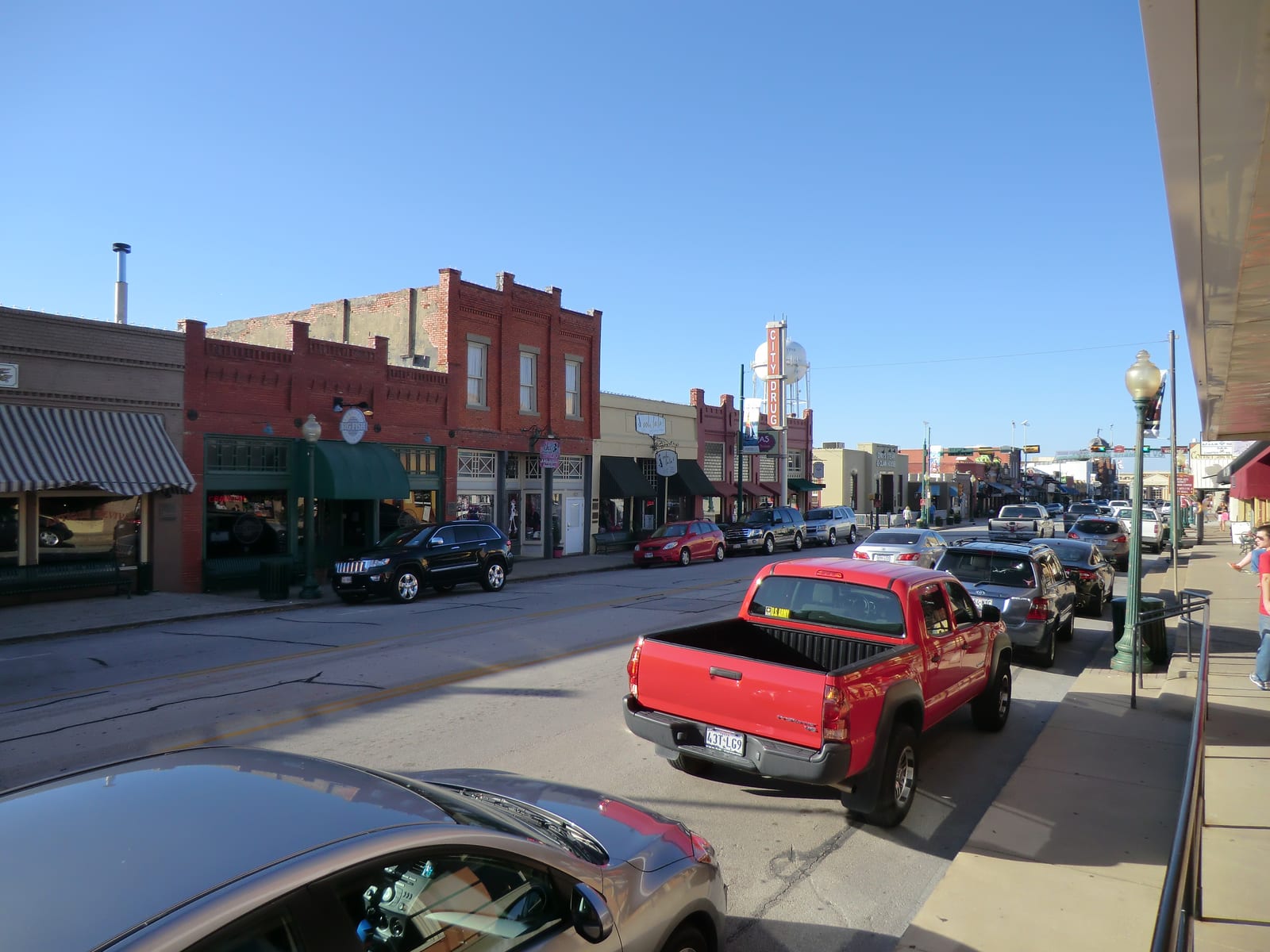
It's not gone, it's just concentrated in a few kinds of places. Older Main Streets built before the car took over, Grapevine's historic downtown among them, still function the way a genuine town square should: walkable, mixed-use, and full of the kind of loitering that turns into small talk. Beyond the historic downtowns, the pattern shows up in specific recurring activities more than specific venues: a library branch's regular programming, a rec league that plays the same night every week, a running group that meets at the same trailhead at the same hour. The venue matters less than whether you're actually going back to it.
Why this matters for a couple specifically, not just an individual
A relationship that runs entirely on two people plus a rotating cast of the same three couple-friends starts to lose something most people don't notice until it's already gone: outside reference points. No new stories to bring home, no version of either partner that exists outside the relationship, and, practically, one person becomes the sole source of fun, comfort, and conversation for the other, which is a heavier job than it sounds like on paper. Couples who maintain even one shared or separately-held third place tend to bring something back into the relationship that the relationship alone can't generate: a little outside texture, evidence that both people are still whole on their own, and something new to actually talk about at the end of the day.
The honest version
Finding "the perfect place" isn't really the task. Picking one and going back enough times to become a recognizable face is what turns an ordinary spot into a third place, and DFW's geography means that takes more deliberate effort here than it would in a city built to make it happen by accident. The couples who manage it aren't the ones who found somewhere special. They're the ones who kept showing up to somewhere ordinary until it stopped being ordinary.
More on Local Guides
Date Ideas Around Southlake and Grapevine for Couples Who Want a Quieter Night
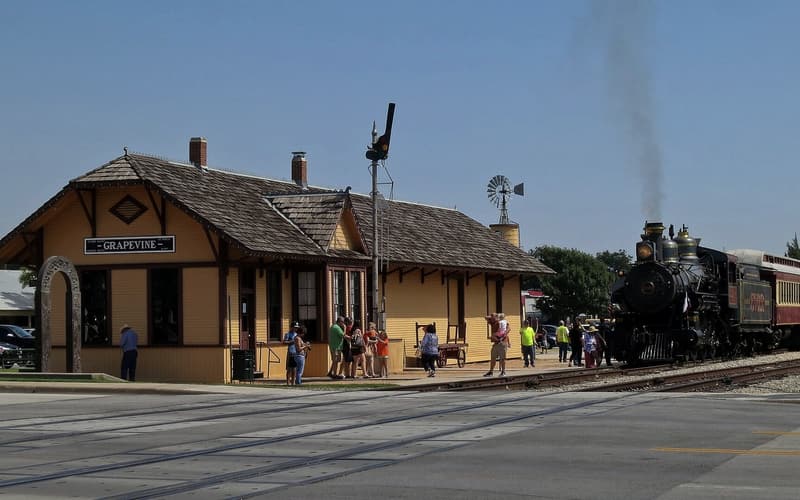
Quiet nights around Southlake and Grapevine are a timing choice. Weeknight Main Street, a weekday lake stop, the Cotton Belt, or Bob Jones beats Saturday at Town Square.
Indoor Date Ideas in Dallas for the Summer Heat
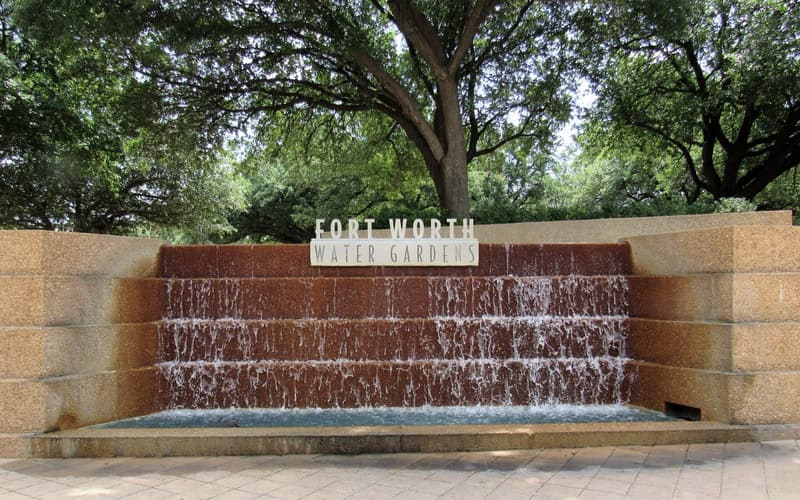
By July, a Dallas date night cannot pretend the heat is background noise. Indoor plans work best when they offer novelty, movement, and a way to reconnect without sweating through the first ten minutes.
Unique Date Night Ideas in Frisco and Plano That Do Not Feel Like the Usual Dinner
Frisco and Plano can make date night too efficient: park, eat, leave. The better nights give couples a little movement, novelty, and room to talk before the week takes over again.