The DFW Town Squares Guide: Why So Many Suburbs Built Their Own Downtown
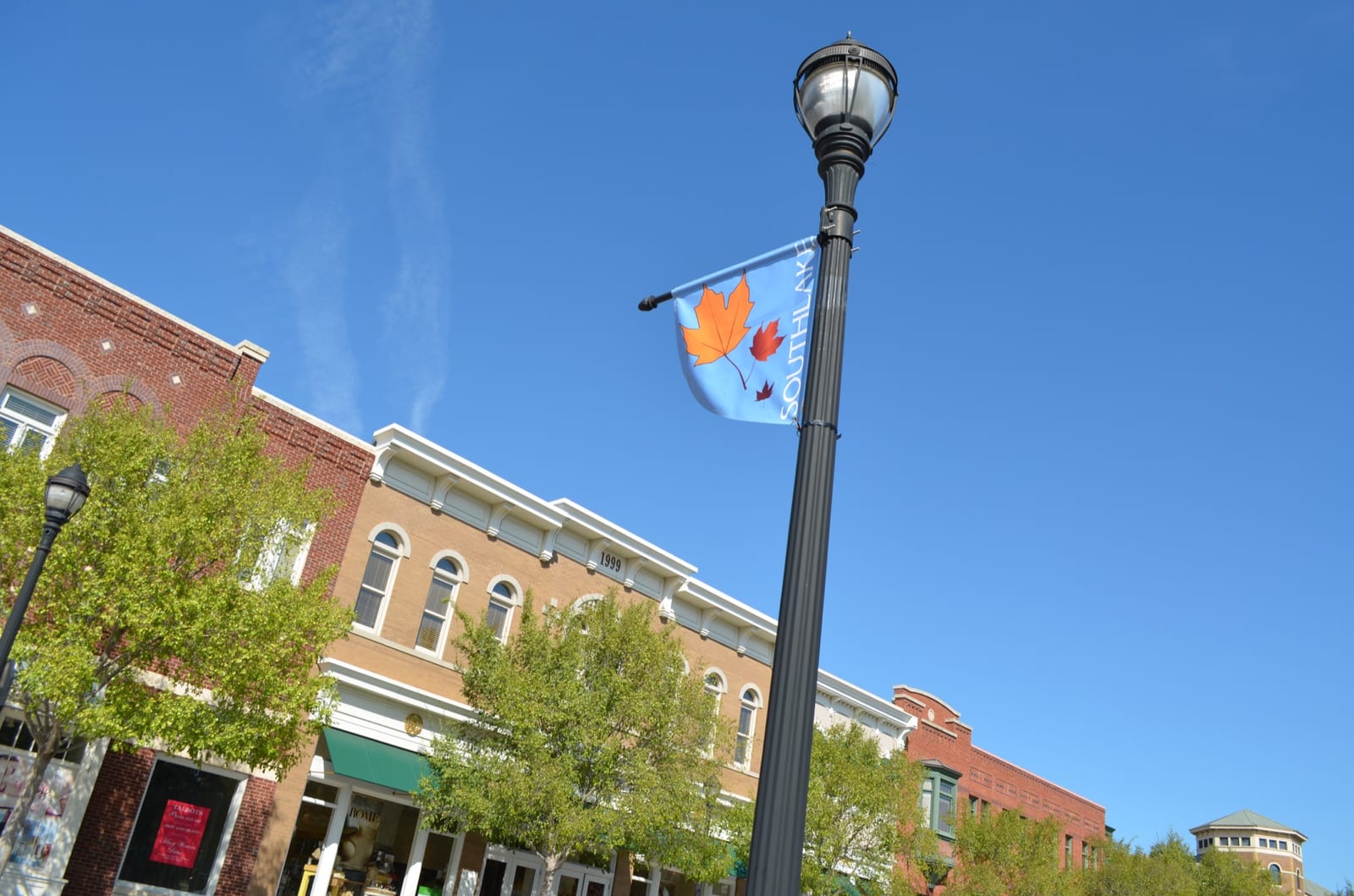
A DFW "town square" usually means one of two very different things, and the difference matters for anyone trying to figure out where to actually spend an evening. Some, like the historic squares in McKinney or Grapevine, grew up organically around a 19th-century courthouse or rail depot. Others, like Southlake Town Square, were built from a blank field in the 2000s specifically because the surrounding suburb had no old downtown to fall back on. Knowing which kind of square a family or couple keeps returning to explains a lot about why it feels the way it does.
What makes a DFW town square different from an old downtown
Southlake didn't have a historic town center before developers built one intentionally in the late 1990s, modeling it on traditional Main Street architecture without any of the decades of organic use that usually come with it. The brick storefronts, the central green, the second-floor residences above retail: all of it was master-planned at once, not accumulated over a century. McKinney's downtown square, by contrast, actually is a 19th-century courthouse square that predates the highway sprawl around it by well over a hundred years. Both function as a walkable center today. Only one of them earned that role the slow way.
Why fast-growing suburbs built these squares on purpose
Frisco, Southlake, Allen, and Prosper all exploded from farmland into dense suburbs within a few decades, moving faster than any organic downtown could form on its own. City planners and developers recognized that new residents wanted a walkable center they could point to, so they built one deliberately as part of the master plan, the same way a new neighborhood gets a park or a school built in from the start. Watters Creek at Allen followed the same logic a few years later, pairing retail and green space along a restored creek instead of a courthouse lawn. It's civic infrastructure, engineered on a deadline, not a downtown that emerged because people needed one.
Why the same square gets used over and over
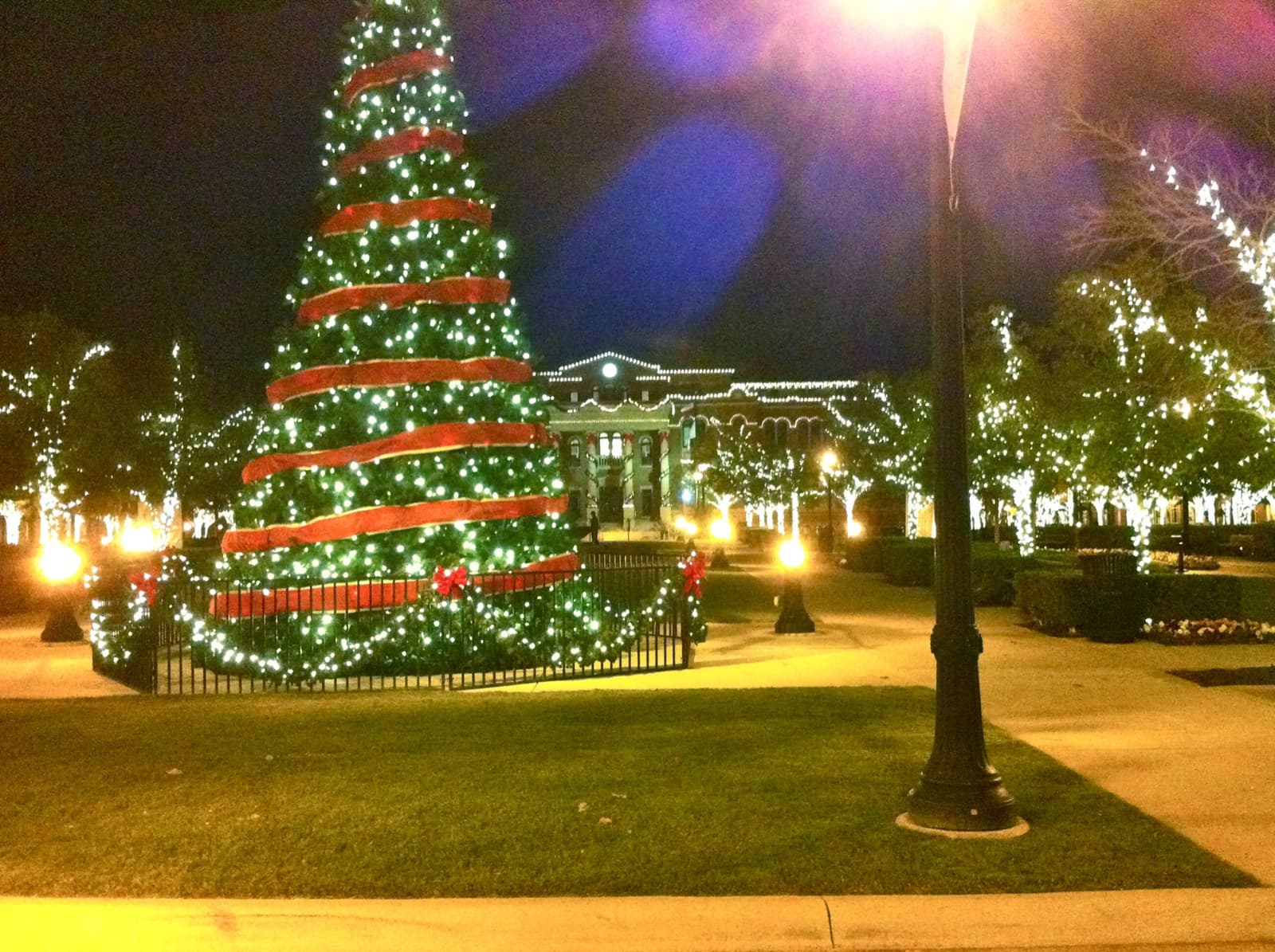
In an older city, a resident within walking distance of one historic square usually has several other walkable options nearby competing for that same evening. In many newer DFW suburbs, the engineered town square isn't one option among several. It's often the only walkable center within fifteen or twenty minutes, which means it absorbs an outsized share of a household's actual routine: the after-dinner walk, the kids' scooter loop, the holiday lights every December, the low-effort Tuesday-night outing that doesn't require planning. Couples and families default to it not necessarily because it's their favorite spot, but because the alternative is getting back in the car.
The tradeoff between convenience and feeling manufactured
Some residents describe the engineered squares as closer to an outdoor shopping center than a real town center, and that reaction is worth taking seriously rather than dismissing. A square built in eighteen months by a single developer doesn't carry the layered history of a place that's been a courthouse lawn since before the highway existed. That doesn't make it useless as a gathering spot. It does mean the sense of it belonging to a community takes longer to build than the brick facade did, and it accrues through actual repeated use rather than architecture alone.
A short list worth knowing, organic and engineered
Southlake Town Square. The most fully built-out of the master-planned squares, dense with retail, restaurants, and a central green that hosts most of the city's public events.
Watters Creek at Allen. Creek-fronted and quieter than Southlake, built around water instead of a lawn.
Historic downtown McKinney. The real thing: a 19th-century courthouse square with buildings that predate DFW's highway growth by a century.
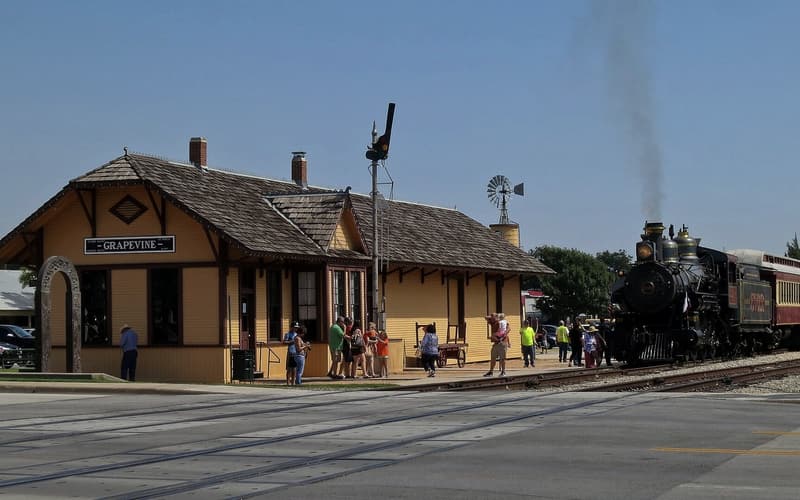
Grapevine's Main Street. Another organic historic district, walkable in a way that developed long before "walkable" became a marketing term.
Coppell Old Town. Smaller and newer as a redevelopment project, built around Coppell's actual old rail-era core rather than from scratch.
For a couple specifically, rather than a family with a stroller to push, that same kind of low-stakes, repeated-visit spot has its own name and its own logic, covered in our look at what a "third place" actually does for a relationship.
Whichever kind of square a household ends up returning to, it's worth noticing whether it's a default born of geography or an actual preference. The families who get the most out of these places tend to be the ones who picked theirs on purpose, not just the ones closest to the car.
More on Local Guides
Date Ideas Around Southlake and Grapevine for Couples Who Want a Quieter Night
Quiet nights around Southlake and Grapevine are a timing choice. Weeknight Main Street, a weekday lake stop, the Cotton Belt, or Bob Jones beats Saturday at Town Square.
Indoor Date Ideas in Dallas for the Summer Heat
By July, a Dallas date night cannot pretend the heat is background noise. Indoor plans work best when they offer novelty, movement, and a way to reconnect without sweating through the first ten minutes.
Unique Date Night Ideas in Frisco and Plano That Do Not Feel Like the Usual Dinner
Frisco and Plano can make date night too efficient: park, eat, leave. The better nights give couples a little movement, novelty, and room to talk before the week takes over again.