The Two-Commute Marriage: When You and Your Spouse Work in Completely Different Directions
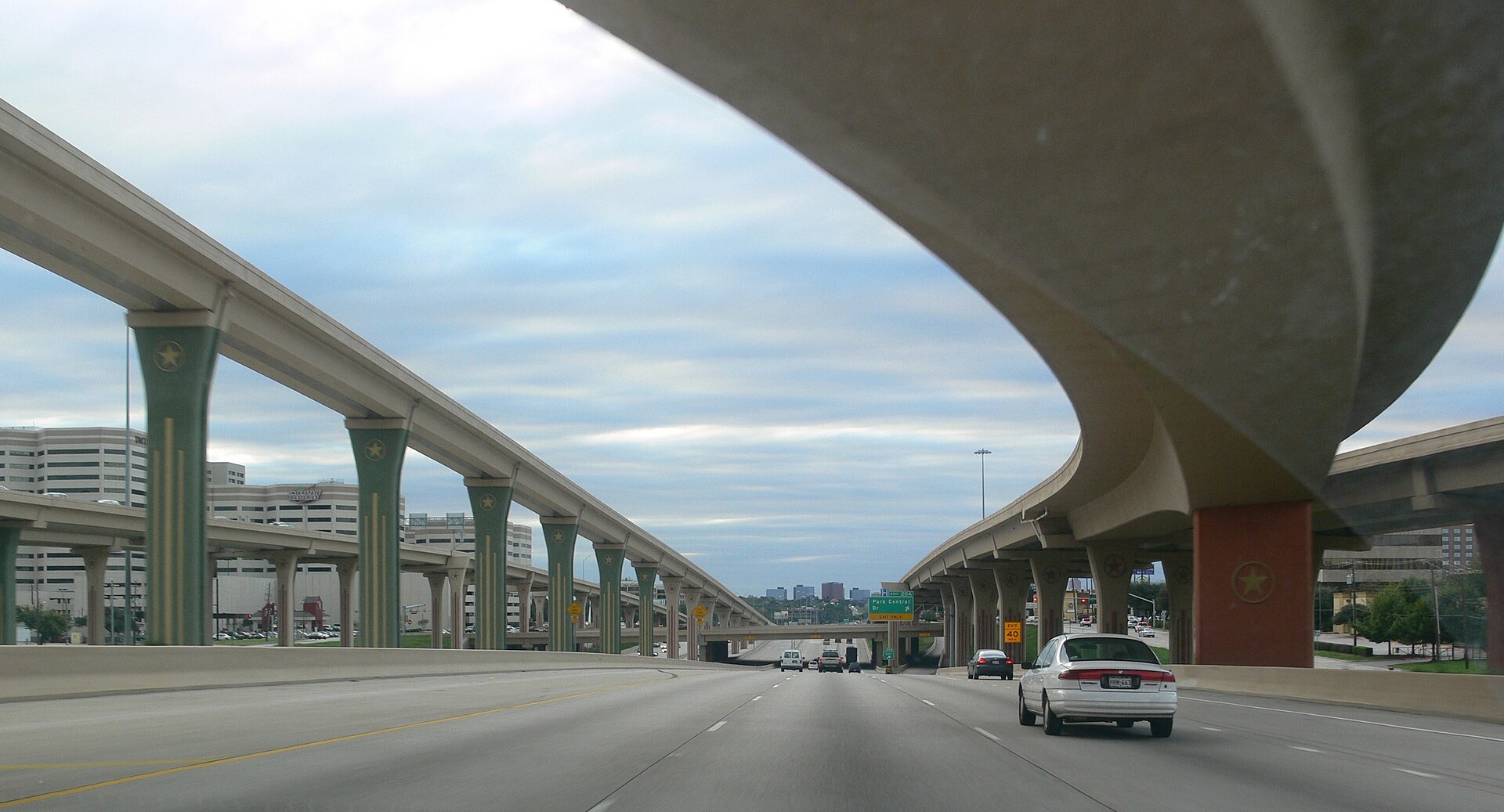
There's a specific kind of marriage that's common in the Metroplex and rarely talked about directly: two spouses whose jobs pull them in opposite directions every single day. One works the Legacy West or Frisco corridor. The other works downtown Dallas, or south toward Fort Worth, or out past the airport near Las Colinas. They might live twenty-five minutes from each other. Their actual workdays, once you factor in the drive, barely overlap at all.
How do you manage a marriage with long DFW commutes?
The best way to manage a marriage strained by long DFW commutes is to stop treating the evening as if both partners arrive home with the same energy. Build in a transition buffer, protect one reliable check-in ritual, and name the commute imbalance before it turns into resentment.
Why this is a bigger deal than it sounds
In a city with a real center, most couples end up with commutes that at least roughly rhyme: similar distance, similar direction, similar traffic patterns, so you tend to arrive home within the same window most nights. DFW doesn't work that way. The job centers are scattered across a metro with no single downtown gravity pulling everyone toward it, which means two people who love each other and live in the same house can be functioning on completely different daily clocks without either one intending it.
The practical effect shows up in small ways that add up. Dinner together stops being the default and becomes something that has to be planned. One partner's bad traffic day (a wreck on 635, construction on the Tollway) doesn't just cost them time, it reshuffles the other partner's evening too, dinner reheated, plans shifted, a solo hour that wasn't supposed to be solo.
The resentment that sneaks in sideways
It rarely announces itself as "I'm upset about your commute." It shows up as something else: irritation that dinner's cold again, a sense that you're living slightly parallel lives, a partner who feels like they're always the one adjusting. Because the actual cause (geography, traffic, two jobs on opposite sides of a sprawling metro) is nobody's fault, it's easy for that frustration to land on the wrong target: a snippy comment about being late, when the real issue is a schedule structure that's been unsustainable for months without either partner saying so.

What couples who navigate this well tend to do differently
They stop expecting dinner to be the anchor and pick a different one. If 6:30 dinner together isn't realistic most nights, some couples shift the daily check-in to something that survives mismatched schedules better: a call during one person's drive, ten minutes before bed, a standing text thread that isn't just logistics. The anchor matters more than which specific ritual it is.
They talk about the commute imbalance honestly, including who took the harder trade. Sometimes one spouse's job is worth the longer drive (better pay, better trajectory, harder to replace), and the couple has explicitly agreed the other partner absorbs more of the evening logistics as a result. Naming that trade openly tends to prevent it from curdling into silent resentment later.
They protect one non-negotiable overlap window a week, even if it's not every night. A Sunday morning, a Wednesday dinner both people actually leave work on time for. Couples who treat every evening as equally negotiable often end up with none of them actually happening.
They stop treating a bad commute day as a personal slight. A partner who walks in late and frazzled because of a highway backup isn't choosing to deprioritize the relationship that night. Separating "the geography is hard" from "my partner doesn't care" turns out to matter more than it sounds like it should.
The part that doesn't go away
Two-commute marriages in DFW don't really resolve into an easier phase the way some strain does. A job change might shift the geography, but the underlying pattern (a sprawling region with no single center, two careers pulling in different directions) tends to persist in some form for years. The couples who hold up well aren't the ones who found a permanent fix. They're the ones who stopped waiting for the schedule to get easier and built a relationship that works around it instead. There's a more extreme version of the same overlap problem in households where one partner works nights or rotating shifts rather than a second office commute, which we cover in shift-work relationships across DFW's hospitals and airlines.
More on Marriage
The Property Tax Fight: Why January Bills Hit DFW Marriages So Hard
Texas has no state income tax, but DFW couples still feel the bill. Property taxes turn homeownership, fairness, school districts, and lifestyle pressure into one annual marriage conversation.

7 Signs It May Be Time for Marriage Counseling in Dallas
Most couples do not wake up one morning suddenly needing help. In Dallas families, the signs usually show up in the car, the calendar, the budget, and the quiet routines that stop feeling safe.

When Your DFW Marriage Runs on Errands Instead of Conversation
Some DFW marriages don't blow up. They disappear into pickups, toll statements, returns, and HOA email, until the only language left in the house is the to-do list.