The Part of a DFW Breakup Nobody Warns You About: Suddenly Having No Ride
Breaking up in Dallas–Fort Worth carries a practical cost that rarely comes up in the emotional advice: how do you actually get around now. In a metro built almost entirely around driving, a relationship often functions as a two-person transportation system without either partner noticing, and the days right after it ends can leave one partner without a reliable way to get to work, buy groceries, or move their own belongings out.
When the relationship owned the car, not just the relationship
It's common enough in DFW for one partner's name to be the only one on a car title or lease, especially when a couple moved in together early or one person's credit or income made them the obvious signer. The other partner rode along for years without ever needing their own vehicle, which works fine until it doesn't. The breakup doesn't just end the relationship; it can end access to the actual physical thing that got a person to their job every day. Buying, financing, or even just insuring a replacement car takes weeks most people don't have the emotional bandwidth for the same month a relationship ends.
The apartment complex that only worked as a two-person operation
Plenty of suburban DFW apartment complexes sit a mile or more from the nearest grocery store, pharmacy, or transit stop, on the assumption that residents drive. That layout was manageable when two incomes and two cars split the errands: one person handled the grocery run, the other picked up dry cleaning on the way home. Solo, the same complex turns every errand into a dedicated round trip, and the hours add up fast in a way that catches people off guard exactly when they have the least energy to absorb it.
Rideshare math nobody budgets for
Without a car, DFW's sprawl makes rideshare an expensive default rather than an occasional convenience. A trip from a far-flung suburb like Little Elm or Forney into a job center in Uptown or Legacy West can run well past what a daily commute should reasonably cost, and it compounds fast across a normal week of work, groceries, and anything resembling a social life. This is a real, recurring expense that shows up at the worst possible time financially, often right as a household is also splitting rent, deposits, or shared bills.
Losing the person who did the driving
Plenty of couples settle into an unspoken division where one partner does most of the driving, not out of control but out of comfort: they know the fastest way around the High Five Interchange at rush hour, which tollway saves time on a given route, which frontage road to take when 75 backs up. The other partner rode shotgun for years and never had to learn any of it. After a breakup, that partner isn't just relearning how to be single. They're relearning DFW's highway system from scratch, often while running later to things than they're used to.
What actually helps in the first few weeks
Ask specific friends for specific rides, not a general "let me know if you need anything." A named ask ("can you get me to the DMV Thursday at ten") gets answered far more reliably than a vague offer gets acted on.
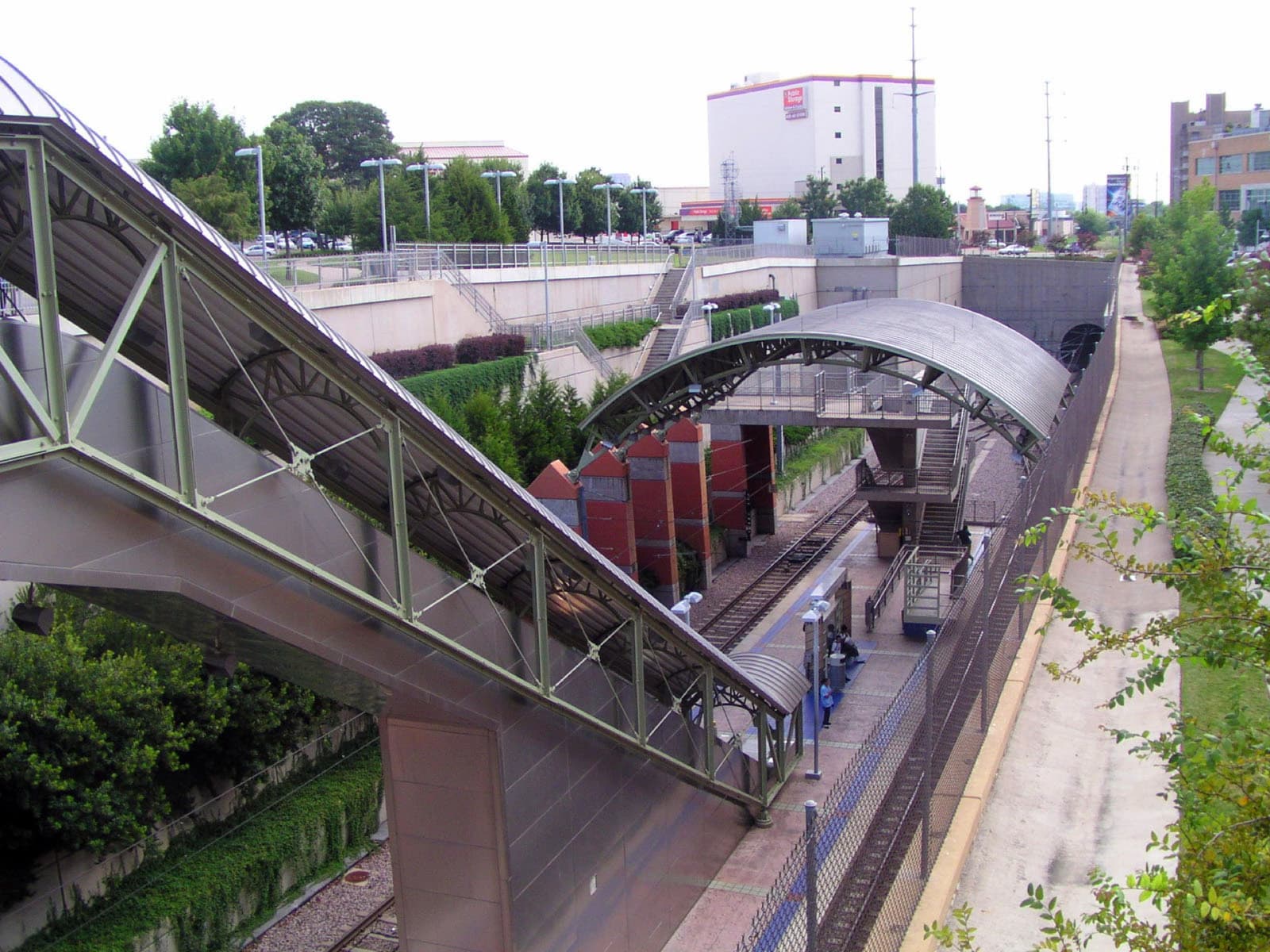
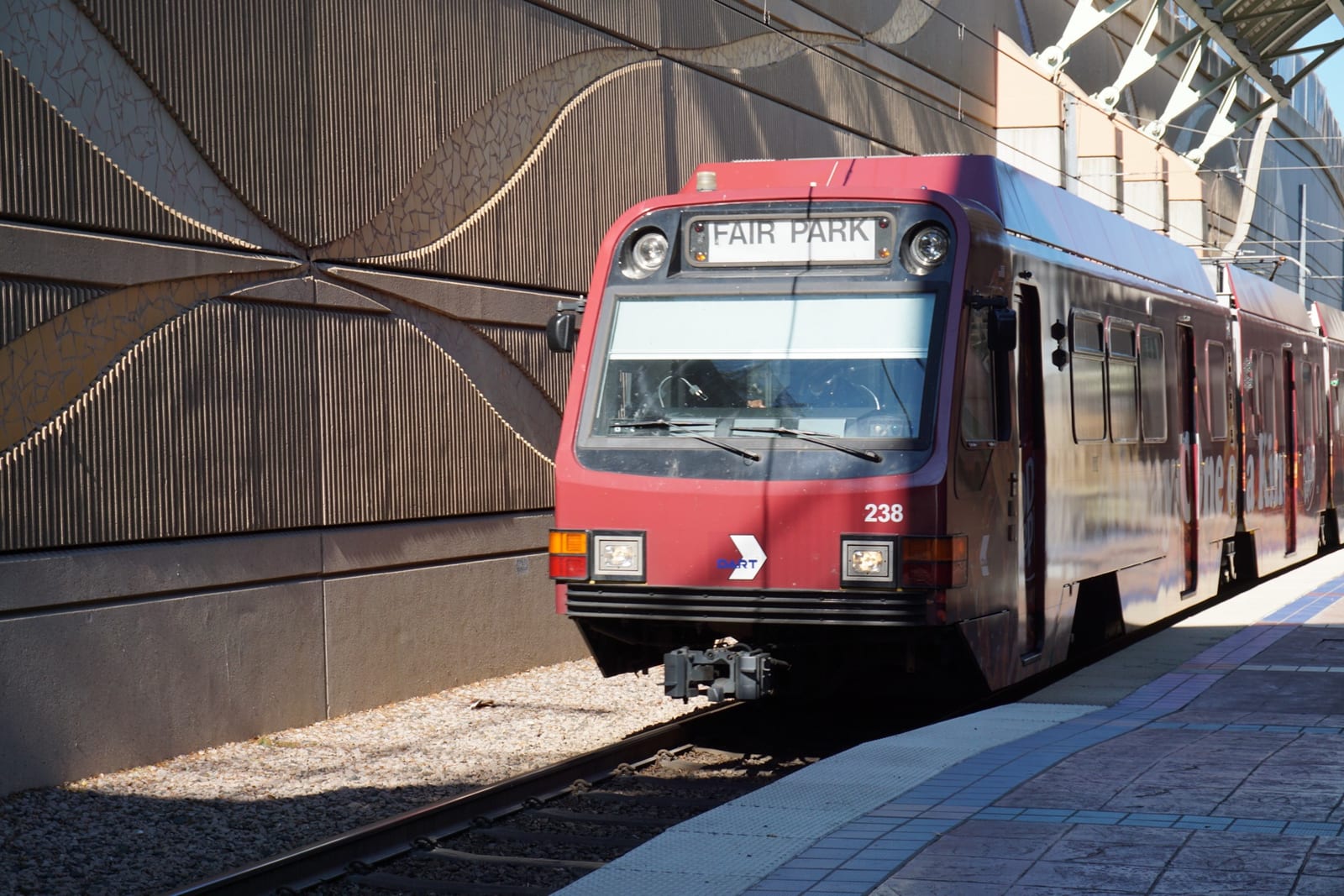
Look at transit access before signing a new lease, even if driving still feels like the plan. A unit near a DART or TEXRail line gives a backup option for the weeks a car isn't reliably available, which matters more during a transition than it does once life stabilizes.
Separate the moving-out logistics from the emotional conversation. Borrowing a truck or asking a neighbor for a ride to collect belongings goes more smoothly as its own errand, scheduled and time-boxed, instead of folded into an already difficult exchange with an ex.
The end of a relationship in a sprawling, car-dependent metro comes with a logistics problem most people don't see coming until they're standing in a parking lot without a way home. Naming that cost early, and asking for specific help instead of hoping it appears, makes the first few weeks considerably more survivable. Even someone who still has their own car hits a duller version of this on the first ordinary Tuesday, when the route, the grocery run, and dinner used to be a shared system. That first normal day is where the missing habits show up.
More on Transitions
Co-Parenting Between Different DFW School Districts
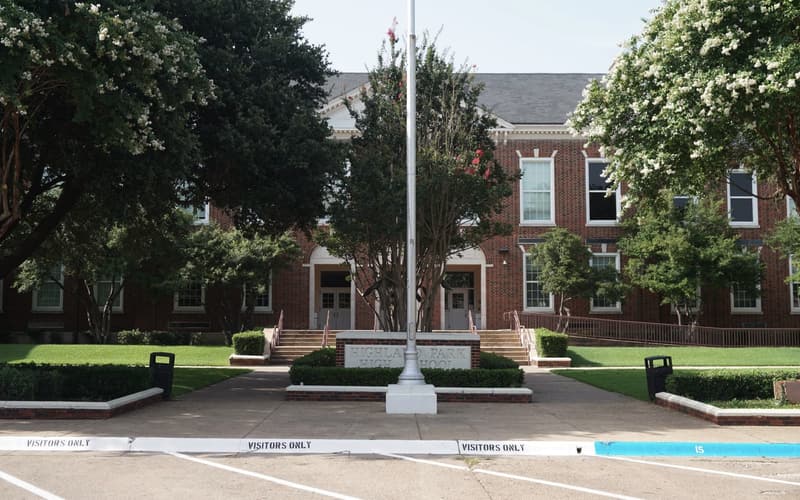
When one parent is in Frisco ISD and the other is across the Metroplex, school stops being a background detail. It becomes the structure every custody exchange, morning routine, and future move has to answer to.
When a DFW Friendship Fades After Marriage, Kids, or a Move
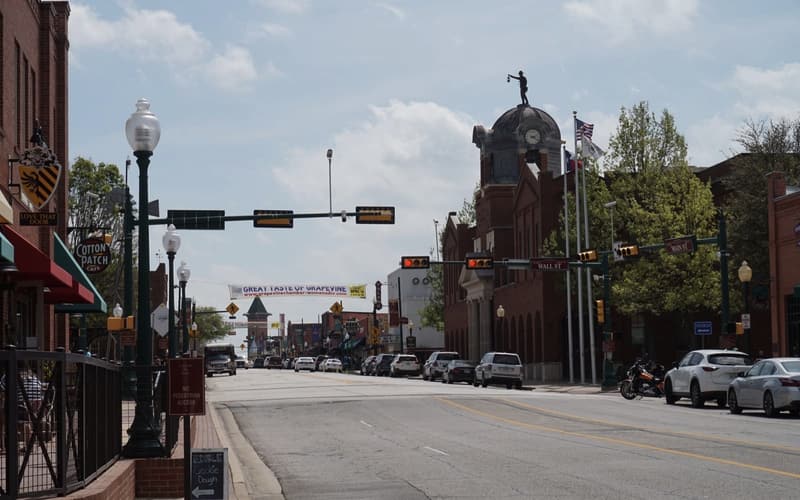
DFW friendships often don't end in a fight. They stall in the calendar: Prosper is 35 minutes, bedtime moved up, and custody weekends no longer match.
The Month After Moving to DFW, Once the Boxes Are Gone
The lease and the commute can be handled while the relationship still hasn't landed. For many couples, the harder month in DFW is the one after the boxes are gone.