Why DFW Couples Seem to Get Engaged So Fast (And Whether That's a Problem)
Ask someone who moved to Dallas–Fort Worth single in their twenties, and they'll usually tell you the same thing within the first year: everyone around them seems to be getting engaged. Not eventually. Fast. Six months, nine months, a year, and suddenly there's a ring and a group chat full of save-the-dates. It's easy to read that as a personal referendum on your own relationship timeline, which is exactly the problem worth pulling apart.
Where the pace actually comes from
A few things about how DFW is built feed this pattern at once. The Metroplex pulls in a steady stream of people in their twenties and early thirties, relocated here for corporate jobs, arriving single and without an existing social circle. That combination (new city, career-stage urgency, no built-in friend group) tends to push people toward building a life here on a faster timeline than they might in a hometown where family and old friendships already provide stability. Marriage becomes one of the fastest ways to plant roots in a place that otherwise feels transient.
Faith communities play a real role too. Large swaths of the Metroplex, especially the northern suburbs, have an active church culture where dating is often explicitly framed as marriage-track from the start, and where engagement announcements move through a tight social network fast enough to feel like a wave.
The apartment-complex effect
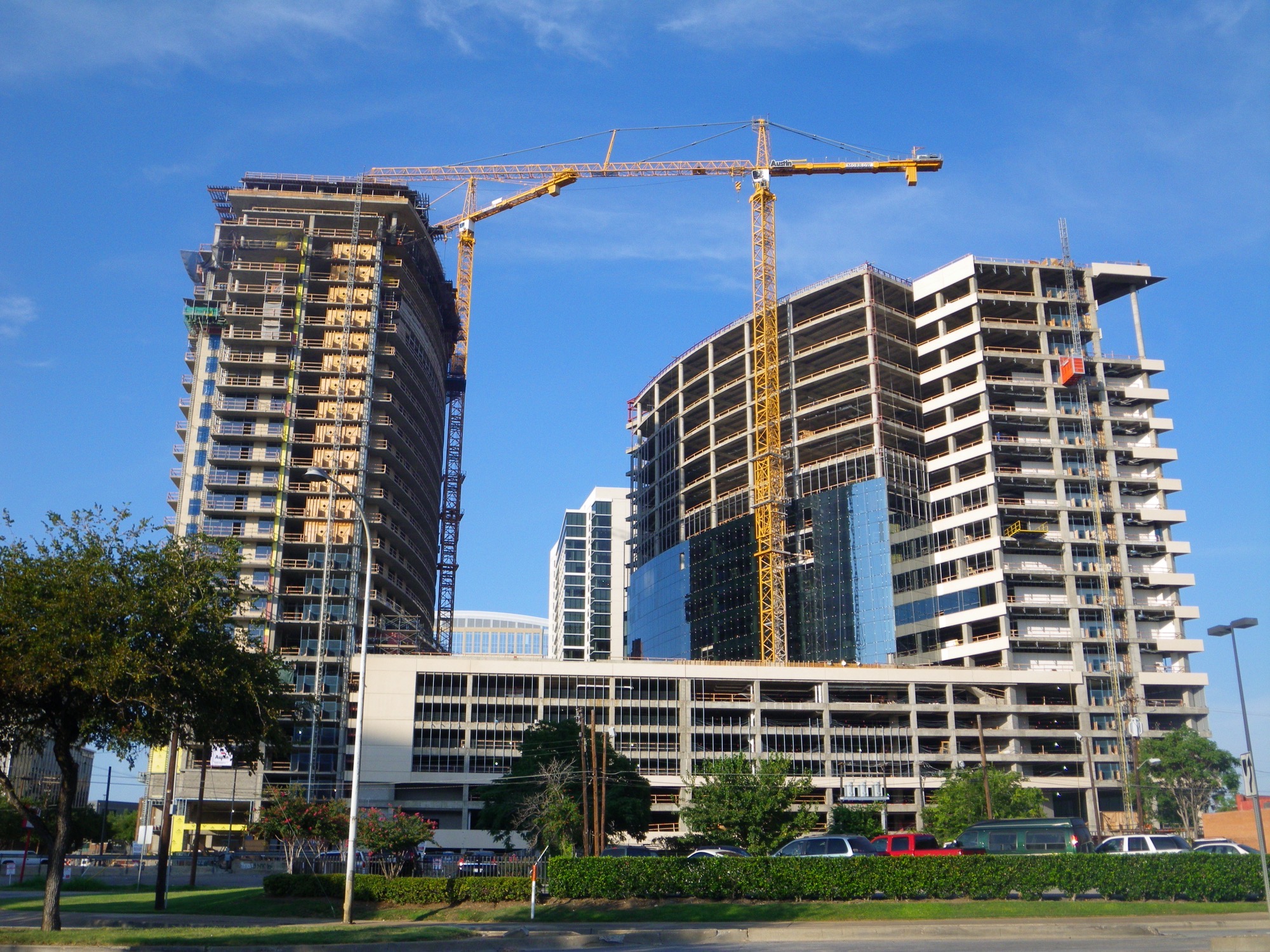
There's also a more mundane driver: the newer apartment complexes clustered around Uptown, Legacy West, and similar dense, amenity-heavy pockets of the suburbs concentrate huge numbers of single professionals in their twenties into the same buildings and the same rooftop-pool social scenes. Friend groups form fast in that setting, and so does social comparison. When three people in your building get engaged within a few months of each other, the timeline that felt reasonable to you a year ago can start to feel slow, even if nothing about your actual relationship has changed.
Is getting engaged after a few months actually too fast?
There's no universal timeline that makes an engagement premature or well-timed. What matters more is whether the decision came from the relationship itself or from the pace of everyone around you. A couple who's navigated a real disagreement, met each other's families, and talked honestly about money and where they want to live in five years has covered more real ground in eight months than a couple who's mostly had a good time together for two years without any of those conversations happening yet.

What tends to separate the couples who last from the ones who don't
Speed by itself doesn't predict much. What tends to matter is whether a few specific things have actually happened, regardless of how much calendar time they took:
- A real disagreement has surfaced and gotten resolved, not avoided. Couples who've never had a genuine conflict before getting engaged often find out how the other person handles conflict for the first time during the engagement itself, which is a rough time to be learning that.
- Both people have talked plainly about money, kids, and geography. Not hypothetically, specifically: debt, income expectations, whether either of you would relocate for a job, whether you both actually want kids.
- The decision survived some ordinary friction. A bad week, a stretch of stress at work, a disagreement about how to spend a holiday. Relationships that have only existed during good stretches haven't been tested yet.
The honest version
Plenty of fast DFW engagements work out fine, and plenty of slower ones don't. What's worth paying attention to isn't the speed itself but the source of the pressure behind it. If the timeline is coming from inside the relationship, from two people who've actually done the harder conversations, a fast engagement is just a fast engagement. If it's coming mostly from watching everyone else's Instagram announcements land in the same six-month window, that's worth naming honestly before a ring changes the conversation.
Once the timeline itself feels right, the metro has a specific short list of places where people actually propose, and the practical details of each one are worth knowing before the day arrives.
More on Dating
Moving In Together in Dallas Because the Lease Is Up
A lease deadline can rush a Dallas couple into sharing an apartment. Before signing, talk through the commute, monthly costs, daily habits, and what happens if you split.
Dating in Dallas When Everyone Else Seems Ahead
White Rock engagement photos, Celina new builds, weeknight baby showers. Dallas makes other people's timelines easy to see, and dating starts to feel like a scoreboard.
Dating a Single Parent in DFW: When the Other Household Sets the Calendar
A sizable share of people dating in their 30s and 40s in Dallas–Fort Worth are dating someone who already has kids. The chemistry is rarely the hard part. The calendar is, especially in a metro where pickup, custody exchanges, and weekend tournaments already eat the drive time.