Daycare Waitlists in DFW's Fastest-Growing Suburbs: What New Parents Should Expect

In the DFW suburbs adding the most new residents each year, daycare capacity almost never keeps pace with how many families are moving in. A center that looks like a normal option on paper can already have a waitlist stretching six months to a year by the time a couple starts calling around, and in one of these fast-growing suburbs specifically, that search needs to start well before the baby arrives, not after.
How can DFW daycare waitlists affect couples and new parents?
DFW daycare waitlists can affect couples by forcing earlier financial, career, and caregiving decisions than they expected. In fast-growing areas like Frisco, Prosper, Celina, and Melissa, parents often need to call centers during pregnancy, budget for deposits, and agree on backup care before parental leave begins.
Why the fastest-growing suburbs have the worst shortages
Cities like Celina, Prosper, Melissa, and Anna have been adding rooftops faster than almost anywhere in the country, and daycare licensing, staffing, and construction all move slower than a subdivision does. A center that opens with room for 120 kids fills within a year in a city adding thousands of new residents annually, and building a second location takes far longer than building the next phase of houses around it. The result is a structural mismatch, not a temporary blip: the newer and faster-growing the suburb, the more likely its daycare waitlist runs long.

When to actually start looking
The honest answer, uncomfortable as it is: as soon as a couple knows they're expecting, if not before. Waiting until the baby's born to start calling centers in a high-growth suburb often means missing the window entirely for a start date anywhere close to when parental leave runs out. Some households put down a deposit at two or three different centers just to hedge, even though that means eating a nonrefundable fee or two along the way. It's not the ideal way to plan a family budget, but in these suburbs specifically, it's often the difference between having childcare lined up and scrambling for it.
What a long waitlist does to a return-to-work timeline
A daycare waitlist doesn't just delay the search, it can force decisions nobody wanted to make on this timeline: one parent staying home longer than planned, a return-to-work date pushed back and renegotiated with an employer, or a scramble for a stopgap nanny-share that was never part of the original plan. That's a real financial and career cost layered on top of the exhaustion that comes with a newborn, and it lands hardest on whichever parent's job has less flexibility around a delayed start date.
Options when the center waitlist doesn't move
In-home daycare, run out of a licensed provider's own house, often has shorter waits than a large center and can be a solid fit for infants specifically. Employer-sponsored backup care, where it exists, covers occasional gaps rather than full-time care, but it can buy weeks of runway while a center spot opens up. Nanny-shares between two or three families split the cost of a single caregiver and tend to have far more flexible start dates than a licensed center does, though they take more upfront coordination to set up.
The strain this puts on a new relationship
New parents already spend the first year rebuilding a social circle from scratch, and a daycare scramble on top of that tends to surface disagreements a couple never had to have before: whether one income is worth pausing, whether to move to a suburb with more capacity, whether the "we'll figure it out" plan from before the baby was ever realistic. Families who pick a suburb based on school ratings months before they even move rarely think to check daycare capacity at the same time, and it's worth adding to that same spreadsheet. The suburb that wins on the elementary school rating isn't always the one that can actually watch your kid next September.
More on Family
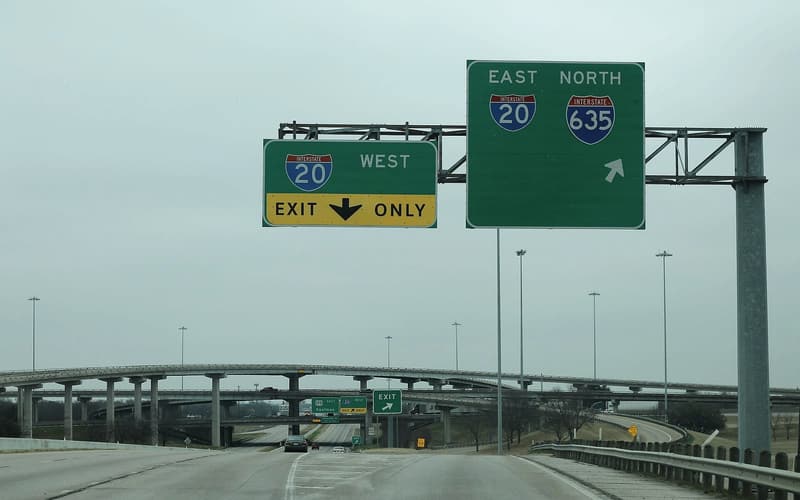
When Your Teen Starts Driving in DFW: What It Does to the Family
A new 16-year-old driver brings relief from school pickups, fear of North Texas highways, and marital friction over keys, tracking apps, and family rules.

When DFW Kids Notice the Tension Before Adults Do
The school run still happens and the game in Frisco still happens. Kids often catch the short answers and the silent car before either parent is willing to call the house tense.
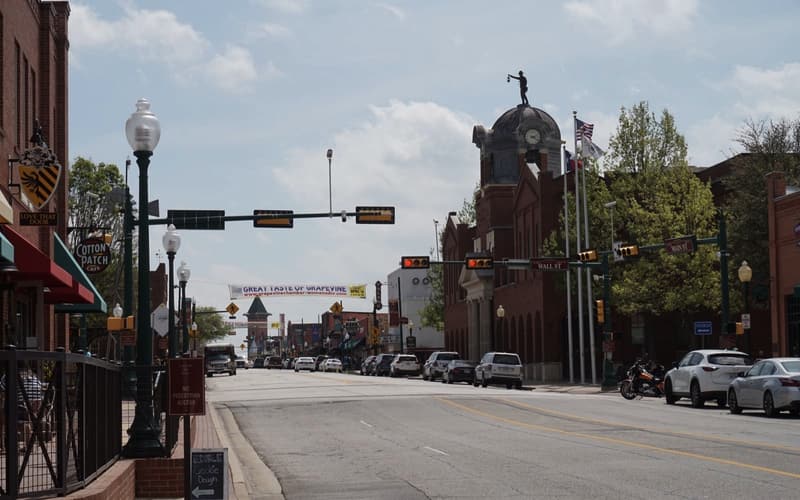
The Quiet Day After a Big DFW Family Weekend
After a tournament, a holiday, or visiting relatives, many DFW families expect relief and get a drop instead. The quiet day after is when the pace finally shows its cost.